



 43 / 176

Improving Banking Supervisory Mechanisms
In the OIC Member Countries
26
The other important aspect of banking sector's asset side in OIC member states is their
relatively less concentrated loan portfolio compared to Europe and US. The average loan size
relative to total assets is less than 40% in selected OIC member states.
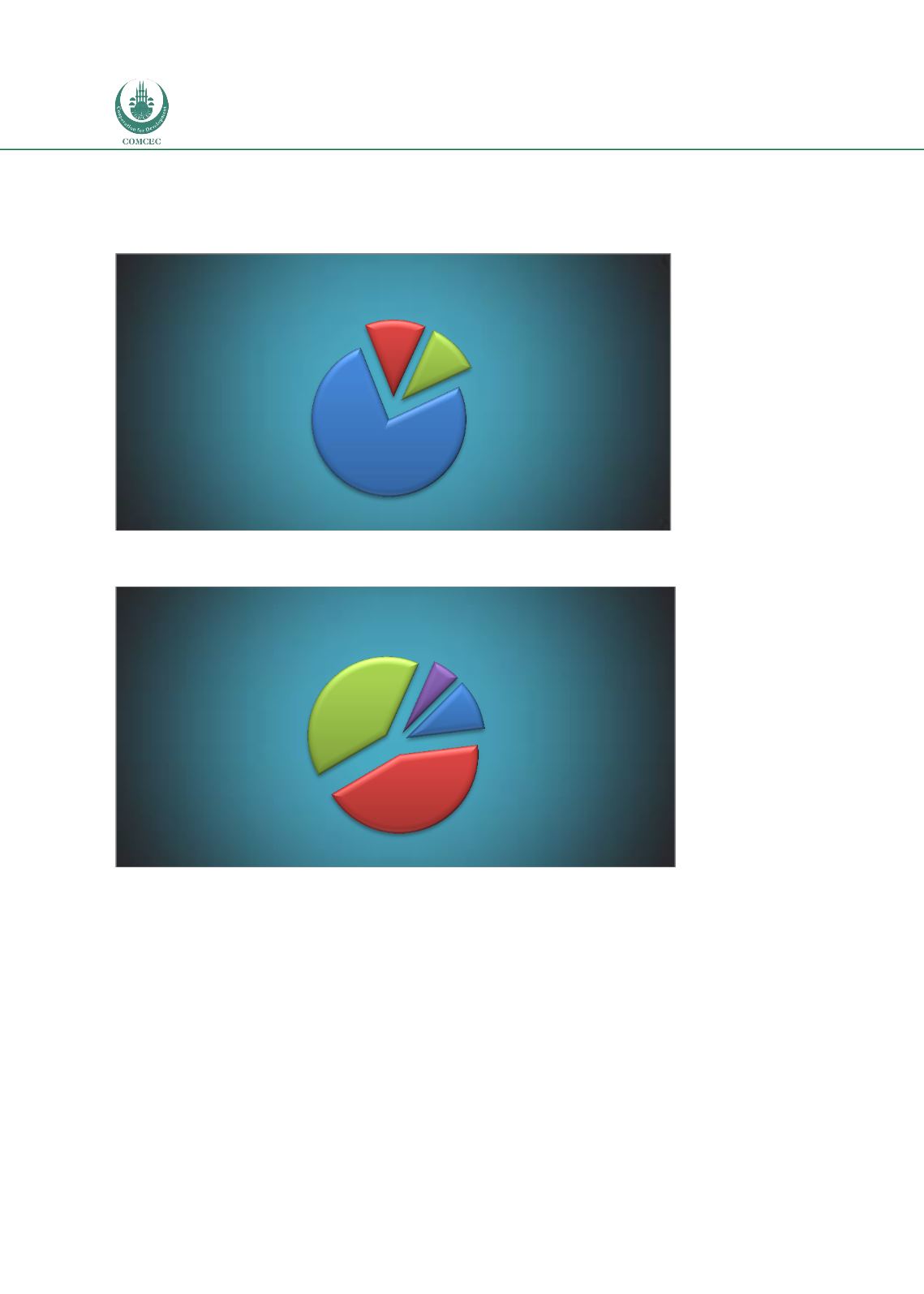
Figure 15: Liabilities for US Banks (2014)
Source: Bankscope
Figure 16: Liabilities for EU Banks (2014)
Source: Bankscope
3.1.2 Banking Capital in Selected OIC Countries
Capital is the most important soundness criteria for banking as the ratio of capital to total
assets is an important health measure for banks. The higher this ratio, the stronger the
banking sector is. Capital/asset ratio appears to be around 10% in OIC members, in general.
However, some countries have a serious difficulty in attaining a stable capital/asset ratio.
Particularly, Nigeria and Kazakhstan has shown a decreasing trend in their ratio in 2009 amid
to the negative impact of the global credit crunch in 2009. Regulatory framework requires the
calculation of this ratio based on a risk-based evaluation of assets; hence BASEL II and III
framework put a significant importance on finding risk weighted assets rather than total
assets, since different assets have different risk weights. Therefore, capital adequacy ratio
formula is crucial factor for assessing the quality of bank capital with respect to risk-weighted
assets. Figure 17 presents the corresponding ratio, which complies with the regulatory
Total
Deposits;
76
Other
Liabilities; 13
Total Equity; 11
Total Liability Decomposition (for US Banks)
Deposits from
Banks; 11
Total
Customers
Deposits;
44
Other
Liabilities;
40
Total Equity; 6
Total Liability Decomposition (for EU Banks)