



 46 / 176

Improving Banking Supervisory Mechanisms
In the OIC Member Countries
29
for getting ready for the BASEL III rules where most OIC countries seem to be prepared for the
more demanding nature for the quality of bank capital.
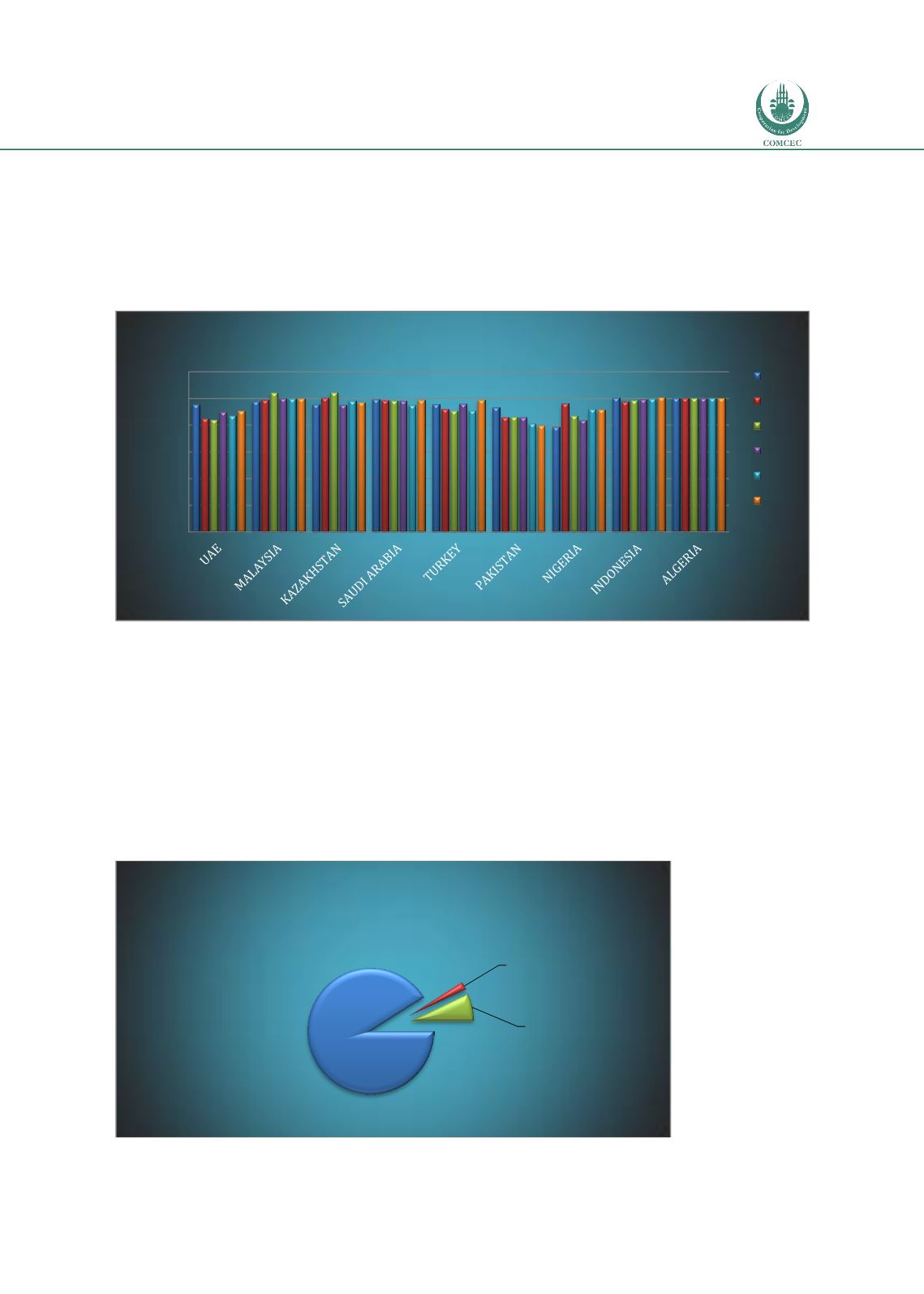
Figure 20 compares the common equity versus total bank capital for the selected OIC
members. Banks on average have more common equity, which is a positive condition for the
quality of capital.
Figure 20: Common Equity-Total Equity Ratio
Source: Bankscope
Decomposition of risk weights with respect various risks is also extremely critical from the
supervisory point of view. Around 90% of the capital is hold against credit risk in OIC member
states, which means that loan portfolio is the main source of banking risk for the OIC members.
This means, loan portfolio is the main source of banking risk for the OIC members. Market and
operational risks have far less weights than that of credit risk. This may be related to the fact
that the relative weight of securities portfolio is small. In addition, standard risk weight
calculations under BASEL II is not risk sensitive and can underestimate the actual market risks.
This is relevant for all OIC members. Operational risk is the second biggest risk, which is
calculated on the basis on banking sector profitability.
Figure 21: Risk-Weighted Assets
Source: Bankscope
0,00%
20,00%
40,00%
60,00%
80,00%
100,00%
120,00%
Common Equity/Total Equity
2008
2009
2010
2011
2012
2013
Risk Weig. Ass.
- Credit Risk
91%
Risk Weig. Ass.
- Market Risk
2%
Risk Weig. Ass.
- Op. Market Risk
7%
Risk-Weighted Asset Decomposition
(for Selected OIC Members)