



 41 / 176

Improving Banking Supervisory Mechanisms
In the OIC Member Countries
24
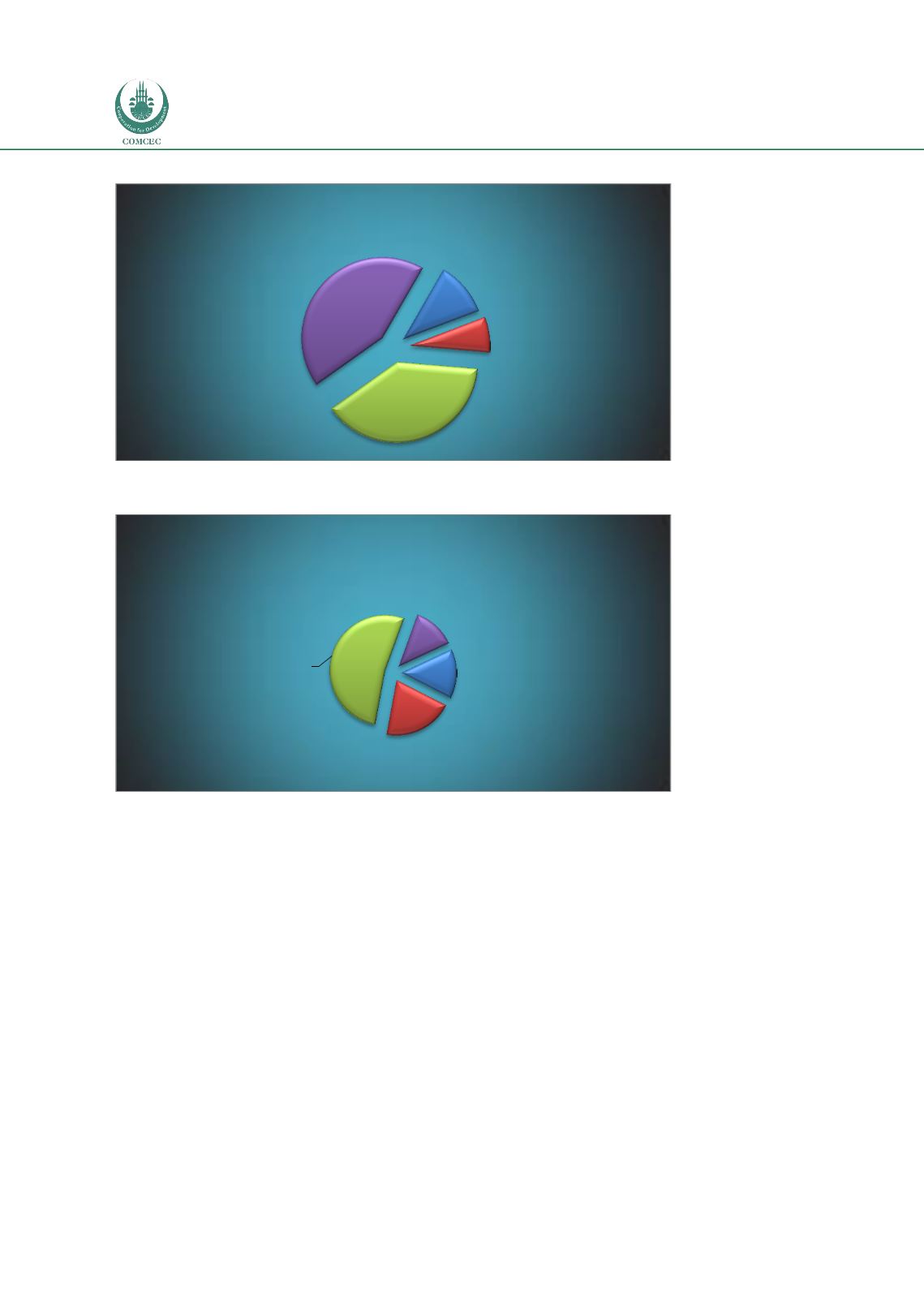
Figure 10: Total Assets in OIC Countries (2014)
Source: Bankscope
Figure 11: Total Assets in US Banking System (2014)
Source: Bankscope
Additionally, the size of the derivative markets in OIC member states is smaller than that of US
and European banks and financial institutions. There are no direct statistics on the total
derivative contracts traded in the OIC member states, however, in Figure 13, we present the
total number of derivative contracts made in Asian/Pacific countries, which shows that only
4% of the total derivatives used in the world belong to Asia/Pacific countries. Banks and
financial institutions in Europe and US own 94% of the total derivative contracts. Therefore,
OIC member states in general, have a very marginal share in the global derivative products
market. This can be a positive aspect of the banking sector for OIC member states, as derivative
products may pose complex and hidden financial risks for the banking sector. As discussed
before, this limited use of derivative products also cause the level of leverage in the OIC
member countries remains relatively low, which might be considered as a positive aspect for
the banking sector OIC member states. This issue will be discussed in the following sections.
Total Securites
11%
Cash & Due
From Banks
7%
Loans
39%
Others
43%
Total Asset Decomposition
(for Selected OIC Members)
Cash & Due From
Banks; 14%
Total Securities;
20%
Loans; 53%
Others; 12%
Total Asset Decomposition (for US Banks)