



 88 / 176

Improving Banking Supervisory Mechanisms
In the OIC Member Countries
71
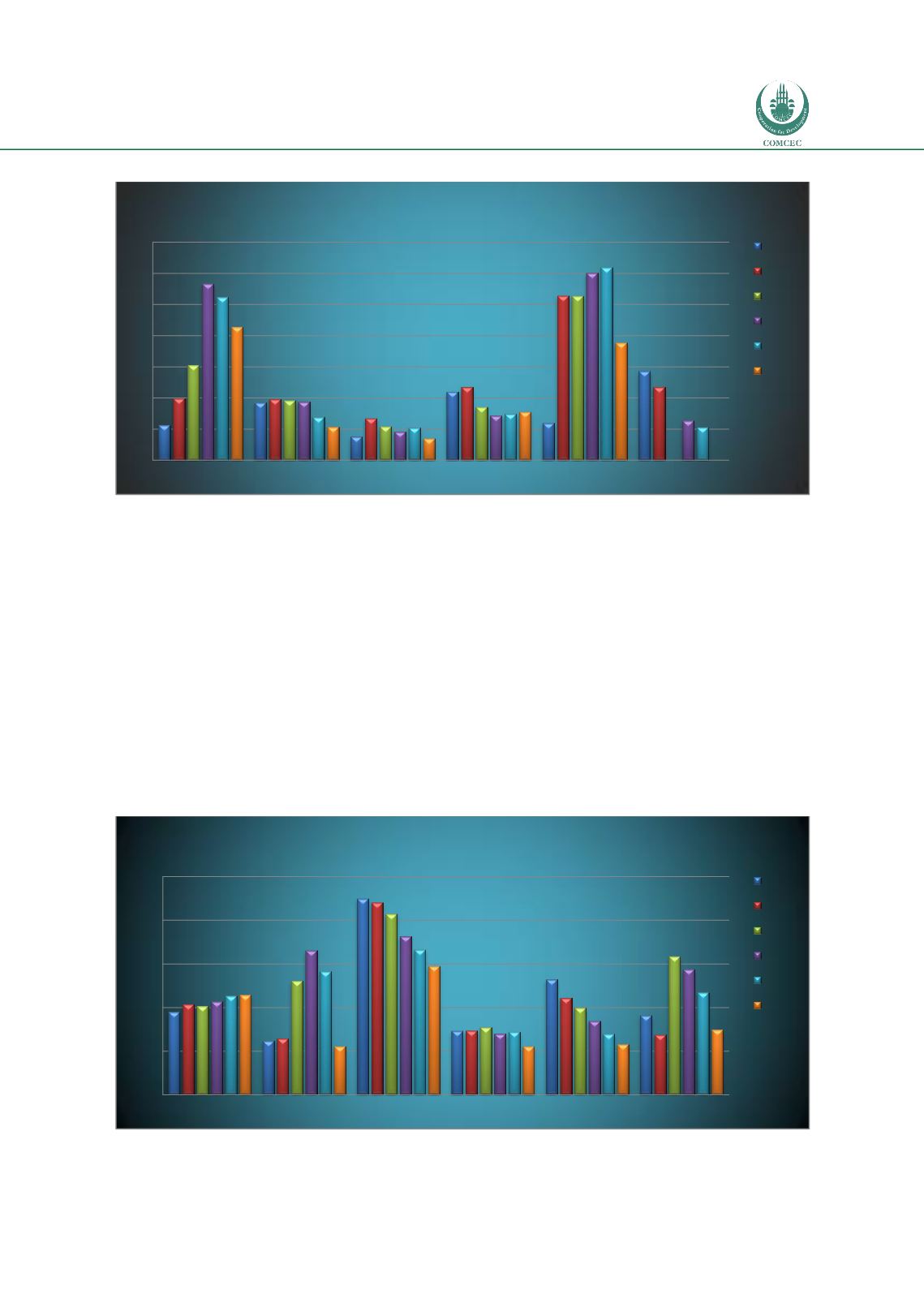
Figure 47: Islamic Banking NPLs to Gross Loans
Source: KFHR
5.3 Leverage Ratio Requirement in Islamic Banking
Basel III regulations formalize a simple, transparent, non-risk-based leverage ratio which is
calculated as capital / (on+off balance sheet assets). The advantage of this measure is to avoid
the complicated calculations stemming from Risk Weighted Assets (RWA). Since the ratio is
inversely proportional to on-balance-sheet and off-balance-sheet items, high levels of financial
leverage will be avoided. The exact formula for the denominator in the leverage ratio is not
clearly specified; however, banks are required to maintain a ratio higher than 3%. Leverage
ratio will directly affect most investment banks as their reliance on off-balance-sheet
transactions are more significant than in conventional banking. Furthermore, banks with
higher deposit/loan ratio will have an additional advantage to meet the requirements. Islamic
banking in this context is more akin to conventional banking as derivative exposure is kept to a
minimum.
Figure 48: Islamic Banking Leverage Ratio
Source: KFHR
0
2
4
6
8
10
12
14
UAE
MALAYSIA SAUDI ARABIA TURKEY
PAKISTAN INDONESIA
Islamic Banking NPLs/Gross Loans
2008
2009
2010
2011
2012
2013
0
0,05
0,1
0,15
0,2
0,25
UAE
MALAYSIA SAUDI ARABIA TURKEY
PAKISTAN INDONESIA
Islamic Banking Leverage Ratio
2008
2009
2010
2011
2012
2013