



 87 / 176

Improving Banking Supervisory Mechanisms
In the OIC Member Countries
70
common equity; however, this is not true for conventional banking, since on average, these
banks hold more Tier 2 capital than Islamic banks. Therefore, conventional banks are expected
to incur higher costs of capital under Basel III (ceteris paribus).
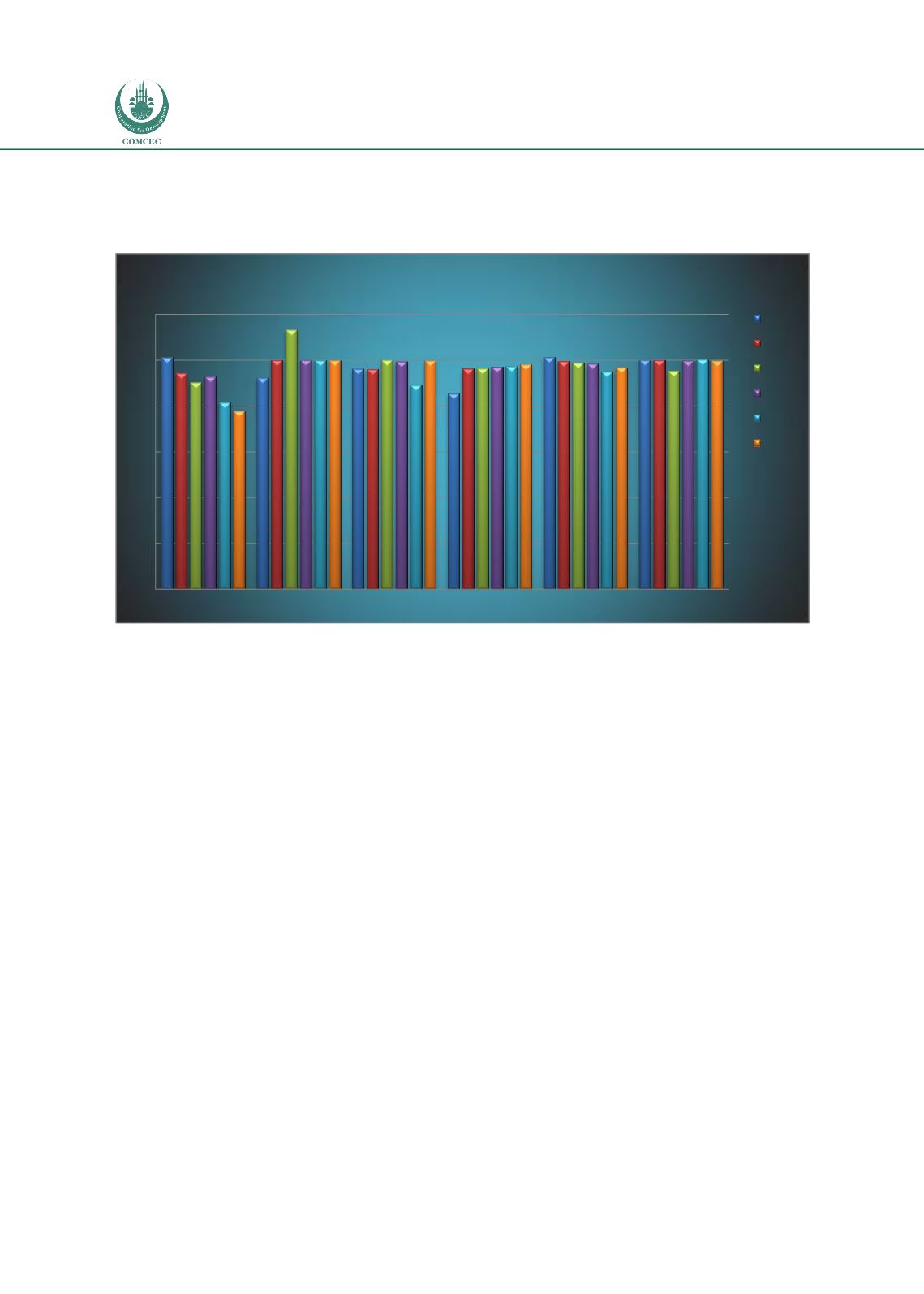
Figure 46: Islamic Banking Common Equity to Total Equity
Source: KFHR
5.2 Credit Risk in Islamic Banking
In the selected OIC member countries, credit risk in Islamic banking does not seem to be
higher than that of their conventional peers. In fact, if we compare with the previous figures on
non-performing loan (NPL) statistics of conventional OIC member countries, Islamic banking
performs well in keeping the NPL ratios at a lower level. However, credit-based products have
a significant predominance in the Islamic banking portfolio. Since Basel III will introduce some
measures to limit the credit risk due to counterparty credit exposures, Islamic banking in
general should be prepared for additional regulatory and supervisory requirements.
Particularly, counterparty risk will be required to be monitored more closely since Risk
Weighted Assets due to counterparty risk is inevitable under Basel III. As a conclusion, credit
risk in the selected OIC member countries seem to be managed quite well. However, future
regulatory and supervisory requirements, particularly due to counterparty risk, needs to be
watched out for.
0
0,2
0,4
0,6
0,8
1
1,2
UAE
MALAYSIA SAUDI ARABIA TURKEY
PAKISTAN INDONESIA
Islamic Banking Common Equity/Total Equity
2008
2009
2010
2011
2012
2013