


 165 / 231

Diversification of Islamic Financial Insturments
151
3.8. CASE STUDY: MALAYSIA
3.8.1 SUMMARY
Malaysia, with a population of 30,949,962 (July 2016) is located in South East Asia. It is a
peninsula bordering Thailand, Indonesia, Brunei and South of Vietnam, with a total area of
329,847 square km, where 328,657 sq. km represent land, and 1,190 sq. km represent water.
The Malaysian major natural resources are tin, petroleum, copper, palm oil, and others.
Malaysia is regarded as an upper middle–income country that has transformed from a raw
materials producer into a multi-sector economy, targeting to be a high income nation by 2020.
According to Bank Negara Malaysia (BNM), the Malaysian economy recorded a higher growth
of 5.6% in the first quarter of 2017 (4Q 2016: 4.5%). Private sector activity was higher and
remained as the main driver of growth. Growth was further lifted by higher exports, as
increased demand for manufactured products led to a strong growth in real exports (9.8%; 4Q
2016: 2.2%). Real imports also increased at a faster rate of 12.9% (4Q 2016: 1.6%) on account
of higher growth of capital and intermediate goods. On a quarter-on-quarter seasonally-
adjusted basis, the economy recorded a growth of 1.8% (4Q 2016: 1.3%). Malaysia is an
important case study for Islamic finance, as the Islamic financial sector represents one of the
very important and prominent sectors in the Malaysian economy, and Malaysia is also
regarded as one of the pioneers in the Islamic capital markets industry.
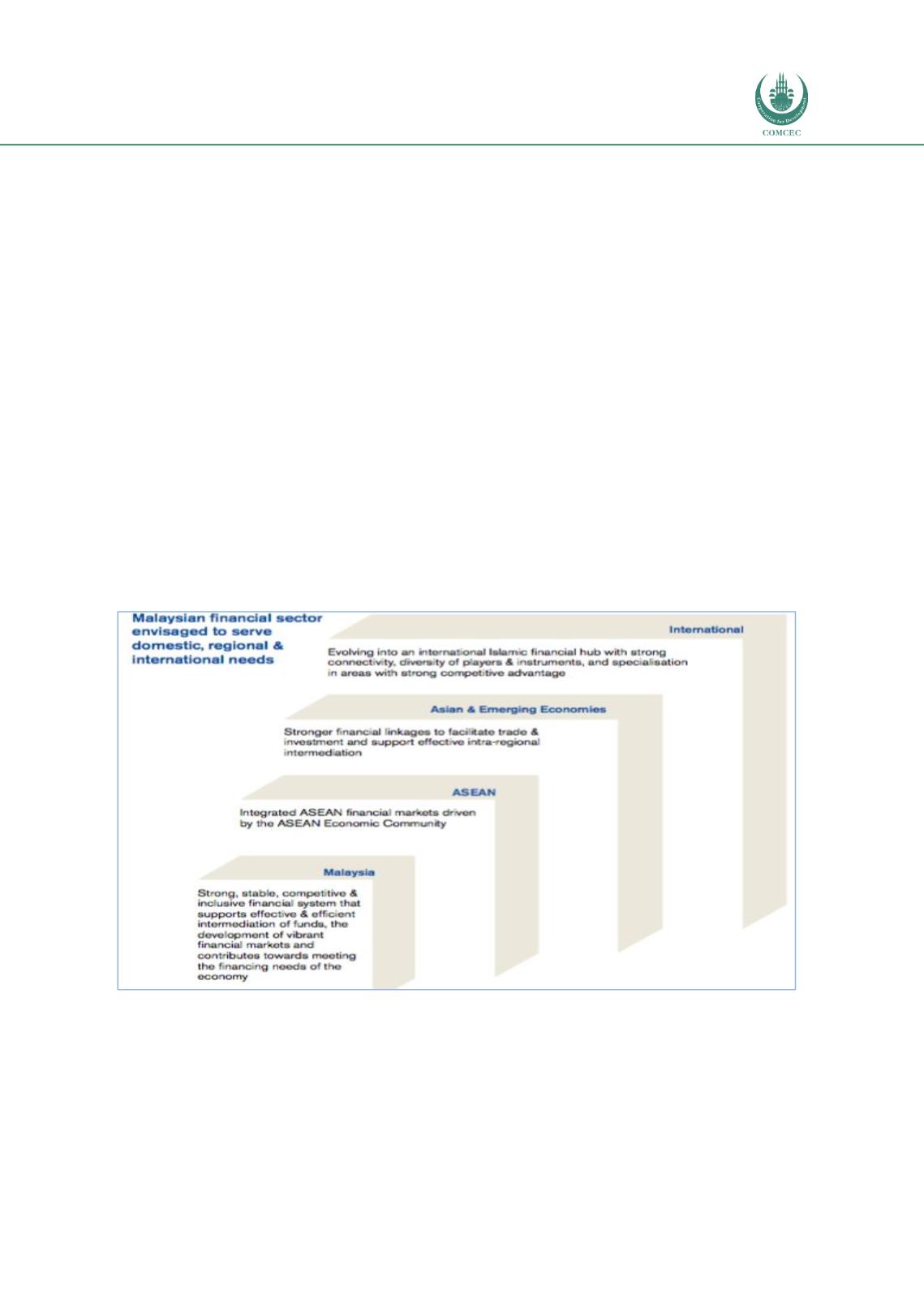
Figure 21: Financial Sector Bluepring 2011-2020 from Central Bank of Malaysia
Source: Central Bank of Malaysia, Financial Sector Blueprint 2011–2020