


 102 / 231

Diversification of Islamic Financial Instruments
88
Overview of the Sudanese Banking System:
As shown in the following Table, the number of Islamic banks increased form five Islamic
banks in 1980s to reach 37 Islamic banks in 2015. All these banks are operating according to
Shariah
principles and under the supervision of Central Bank of Sudan. These Islamic banks
vary in their activities and the type of entities that established them.
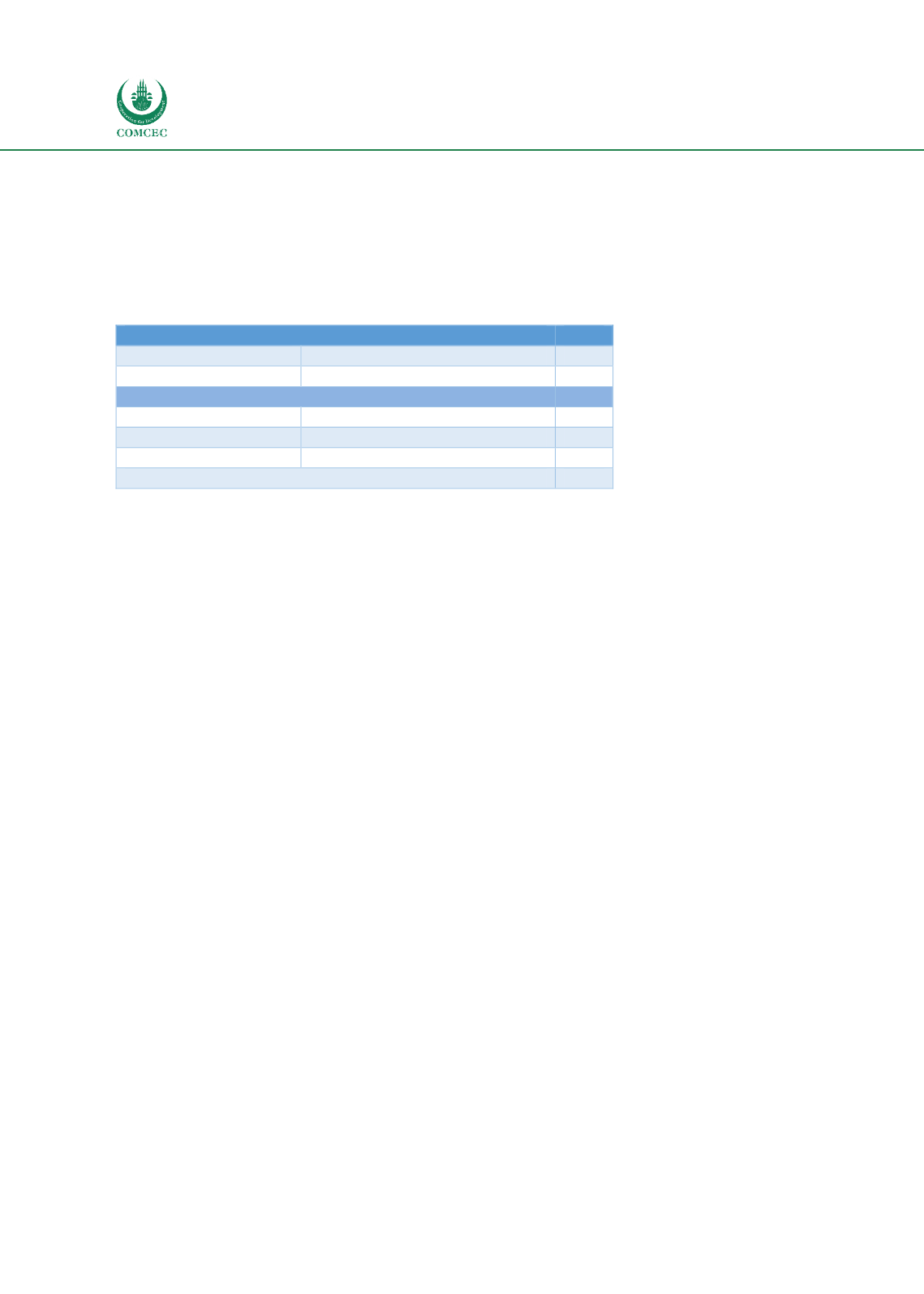
Table 38. Structure of Sudanese Banking System (2015)
(a) Specialized banks
6
Joint
3
Governmetal
3
(b) Commercial banks
31
Joint
22
Governmental
1
Foreign
8
Total (a) + (b)
37
Source: Central Bank of Sudan – Banks Affairs Department
Moreover, it is also realized that the majority of the Islamic banks in Sudan are joint ventures
between the private and the governmental entities, while the foreign banks come at the second
place with 8 Islamic banks and only one Islamic bank that is fully government known as Al-
Nilein Bank. From another perspective, 31 of the Islamic banks in Sudan are commercial, 6 are
specialized Islamic banks that have social and economic goals besides, providing finance to
agriculture and to industrial projects and family savings.
All banks in Sudan are under the supervision and monitoring of a higher
Shariah
commission.
According to chapter [3] of the Banking Business Act for the year 2003:
There shall be
established an independent part time commission, to be known as the, “Higher Sharia
Commission of Control on Banks and Financial Institutions”, and to be appointed by the President
of the Republic, in consultation with the Minister. The objectives of the Higher Shariah
Commission are to: to pass the sharia edicts, recommendations and consultancy, for a unifying
Shariah bases and ordinances, upon which the banking and financial activity is based; to follow-
up the policies and performance of the banks activities and the financial institutions, for the
purpose of exposing the same to the regulations and the values of the Islamic Sharia; to purify the
laws and the regulations and to provide guidelines for the banks and financial institutions, usury
transactions, to strive to lay down for execution, to provide Islamic forms of transactions and
devise such forms, as may be appropriate to all the needs and instruments of financing, and to
promote the same as may be suitable for the primary and secondary stock exchanges.
Deposits
Official data shows that banking deposits in Sudan exceeded 8.3 billion USD in 2015, 51% of
them are saving and investment deposits and the remaining are demand deposits. Analysing
this 51% of saving and investments deposits, it is found that 94% of these deposits come from
private sector which consists of individuals and private businesses, and this shows the
confidence on the Sudanese banking system as saving and investing channel. The Table (Total
Deposits) below presents the structure of deposits according to the type of depositors and
deposits.