


 29 / 247

The Role of Sukuk in Islamic Capital Markets
11
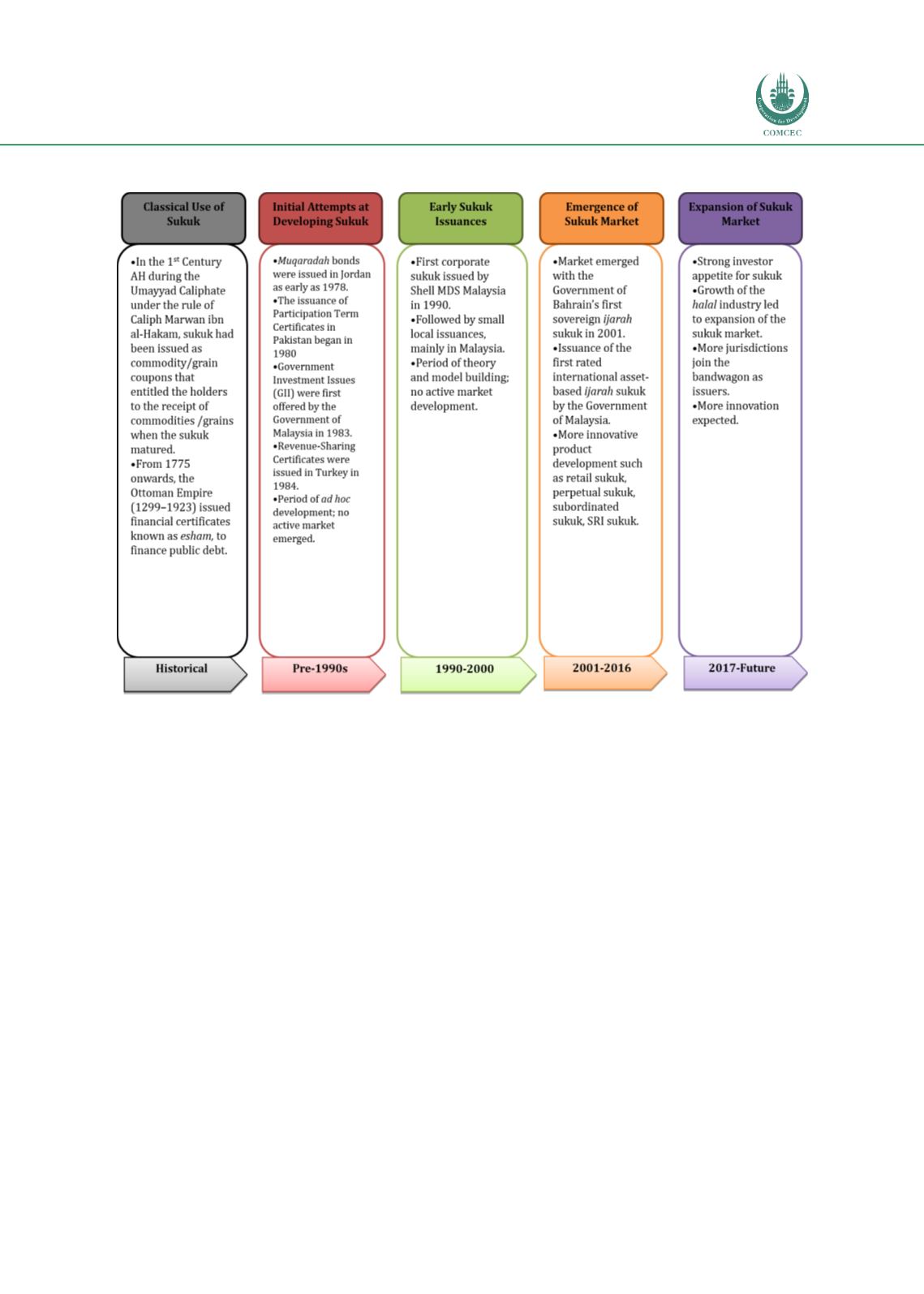
Figure 2.1: Main Phases of Sukuk Development
Source: ISRA (2017)
2.1.2
GENERAL PRINCIPLES, MILESTONES AND KEY TRENDS
Unlike conventional securities, sukuk must adhere to Shariah rules and principles, including its
structuring, the underlying assets that back the sukuk issuance, the investment of sukuk
proceeds, as well as its trading and rescheduling/restructuring.
A number of Shariah-compliant contracts are used to create financial obligations
between the sukuk issuers and sukuk holders, including sale, lease, partnership, agency
and a combination of contracts.
Wakalah
contracts have been increasingly used in recent
years.
The underlying assets of the sukuk structure must be Shariah-compliant and may
include tangible assets, usufructs, income-generating services, intangible assets,
receivables from Shariah-compliant commodities, and the assets of particular projects or
investment activities. The underlying assets of sukuk have further developed to include a
mix of both debts (e.g. receivables from Shariah-compliant sales of commodities) and
non-debt assets (e.g. tangible assets comprising lease assets and Shariah-compliant
shares) to form a blended portfolio.