


 48 / 231

Diversification of Islamic Financial Instruments
34
average fund sizes of Shariah compliant funds. This may not be a time to worry as global equity
markets have been volatile and depressed due to global economic cycle. But lower average size
can lead to an implication that a considerable number of funds may not reach a critical mass in
volume which would lead to mergers of funds or in a worst-case closure, as the Islamic fund
management companies struggle for achieving economies of scale.
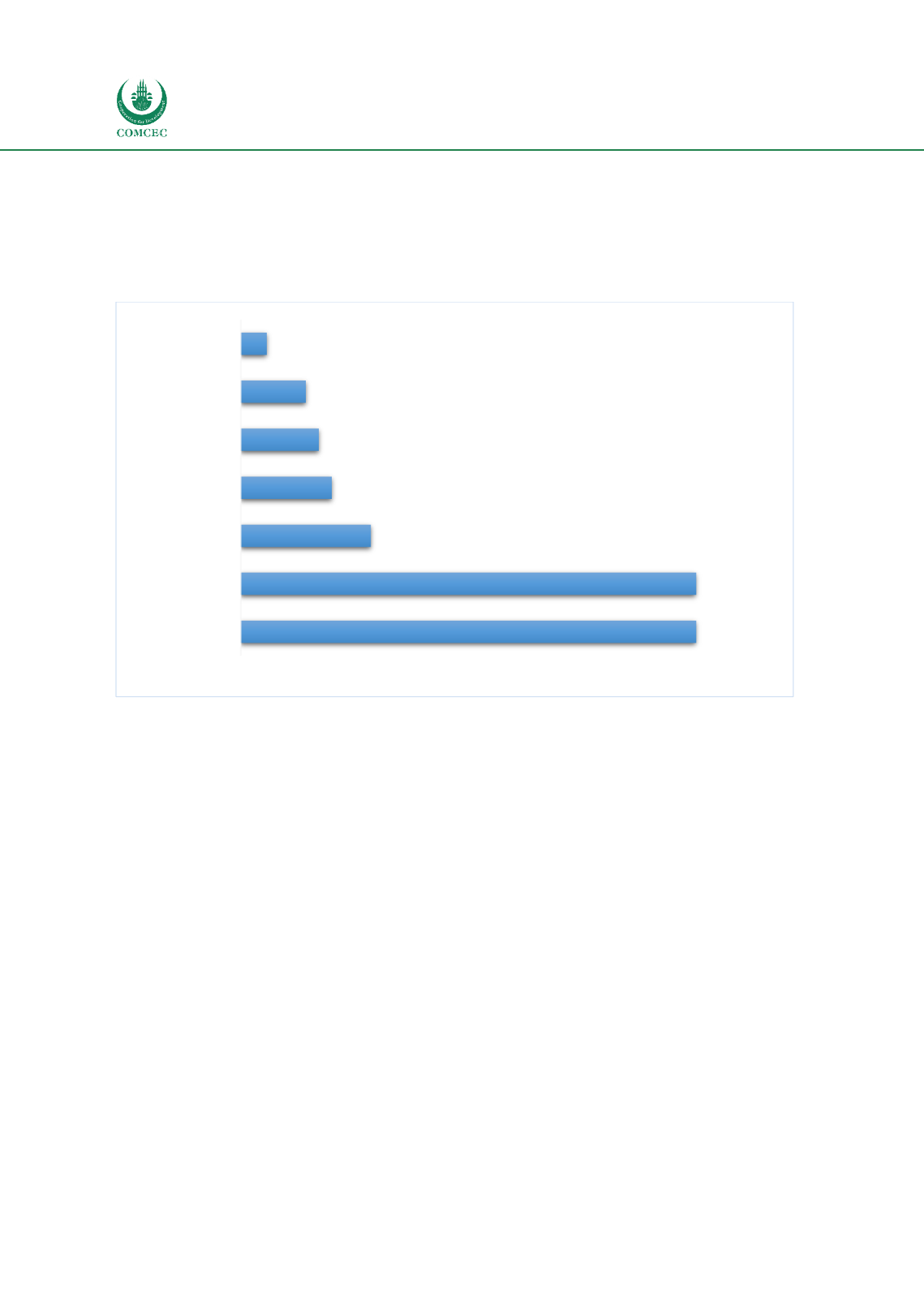
Figure 7. Global Islamic Fund Assets by Asset Class (2016)
Source: IFSB
In terms of domicile of Islamic funds, the global diversity and appeal of Islamic finance is
witnessed. While Saudi Arabia leads the global Islamic fund industry with lion’s share of 40%
of the total Asset under management followed by Malaysia at 28%, the next three domiciles in
the top five are non-OIC jurisdictions – namely, Jersey 8%, the United States 7% and
Luxembourg at 4%.
In terms of asset-class breakdown of the global Islamic funds’ assets under management the
share of equity funds has dropped from 38% in 2014 to 35% by the end of 2016 while money
market funds have increased to 35% by 2016. This change has been propelled by contracting
equity markets over 2015 and 2016 and an increasing shift towards fixed-income instruments
by investors.
2.4.3 TAKAFUL (ISLAMIC INSURANCE)
Takaful is the Shariah compliant counterpart of conventional insurance. Linguistically, in
Arabic the word ‘Takaful’ is derived from ‘Kafalah’, meaning guarantee. Though some
jurisdictions like Sudan and Malaysia have a well-developed Takaful sector dating back to the
1980s, at the global level, Takaful can still be thought of as an infant industry. The Takaful
industry includes Family Takaful (sometimes referred to as ‘Life takaful’), General Takaful,
Micro-Takaful and Re-Takaful.
35%
35%
10%
7%
6%
5%
2%
0% 5% 10% 15% 20% 25% 30% 35% 40%
Equity
Money Markets
Commodity
Fixed Income
Real Estate
Mixed Allocation
Others