


 47 / 231

Diversification of Islamic Financial Insturments
33
2.4.2 ISLAMIC EQUITIES AND FUNDS
While Sukuk hold their uniqueness, and considered as alternative instruments in the global
markets, the Shariah compliant equities operate as a subset of the broader global stock
markets. Securities listed on stock markets which comply with Shariah principles and pre-
defined Shariah screening criteria are considered as Islamic Equities and forms the
composition of all Shariah compliant mutual funds. Being a subset of the global equity markets
results in Islamic equities and funds being affected by the volatilities and pricing movements in
global stock markets.
The Shariah screening criteria tends to reduce the number of available stocks to Shariah
compliant investors, as compared to their conventional counterparts. Nevertheless, in recent
years it appears that Shariah-compliant equity indices have outperformed their larger
conventional peers, largely due to their different sectorial composition.
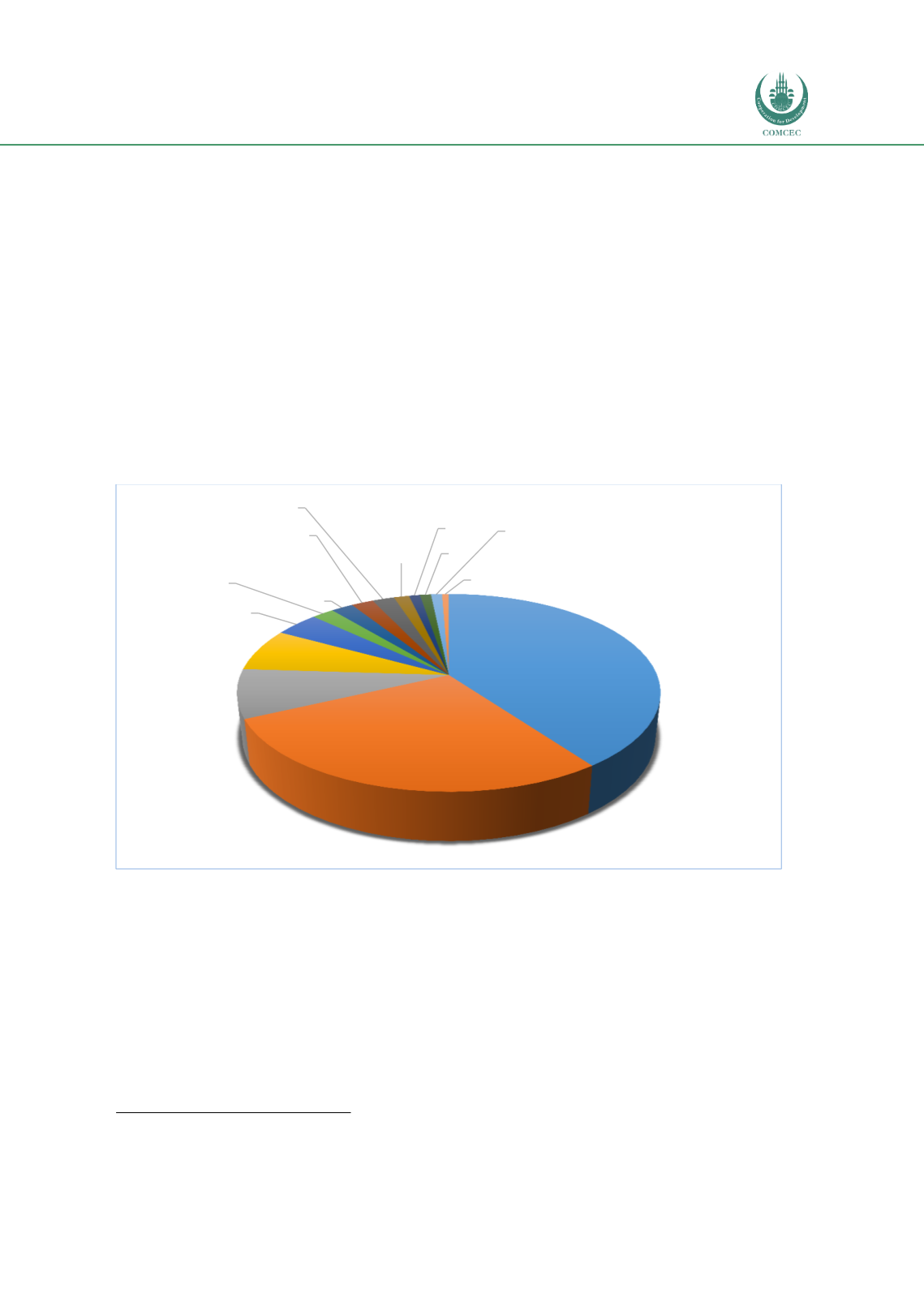
Figure 6. Global Breakdown of Islamic Fund Assets by Domicile (2016)
Source: IFSB, Bloomberg and Zawya
The availability of a universe of Islamic equity listings/indices has led to enabling the
development of Islamic funds industry to offering innovative funds to Shariah conscious
investors. The number of funds over the years has grown steadily from around 800 in 2008 to
over 1200 funds this year globally. The global markets downturn coupled with emerging
market currency depreciations (particularly impacting domestically invested funds in Malaysia
and Indonesia) in 2015, has had an adverse impact on the net asset values of the Islamic funds
in US Dollar terms. At the end of 2016, the Assets under Management industry’s Shariah
compliant funds was estimated to be $ 74 billion
10
as compared $76 billion in 2014. The steady
increase in the number of funds while a slight drop in the asset size has led to a decrease in
10 Author’s calculations using data from multiple sources. (Zawya, Bloomberg, IFSB)
Saudi Arabia; 40%
Malaysia; 28%
Jersey; 8%
United States; 7%
Luxembourg; 4%
Kuwait; 2%
South
Africa;
2%
Indonesia
; 2%
Pakistan; 2%
Others;
1,38%
Cayman Islands;
1%
Singapore; 1%
Ireland; 1%
UAE; 0,62%