


 43 / 187

Islamic Fund Management
29
cash or receivables in their statements of financial position (i.e. financial screening).
5.
Purification of income:
To cleanse the fund of any non-compliant income generated
from investments in companies that have exceeded the tolerable benchmark of the
Shariah screening process. The non-compliant amounts should be donated to
charitable organisations approved by the Shariah board/advisor.
6.
Custody:
To ensure Islamic funds’ assets are placed Shariah-compliant instruments,
either in a non-interest-bearing account or in Shariah-compliant repo.
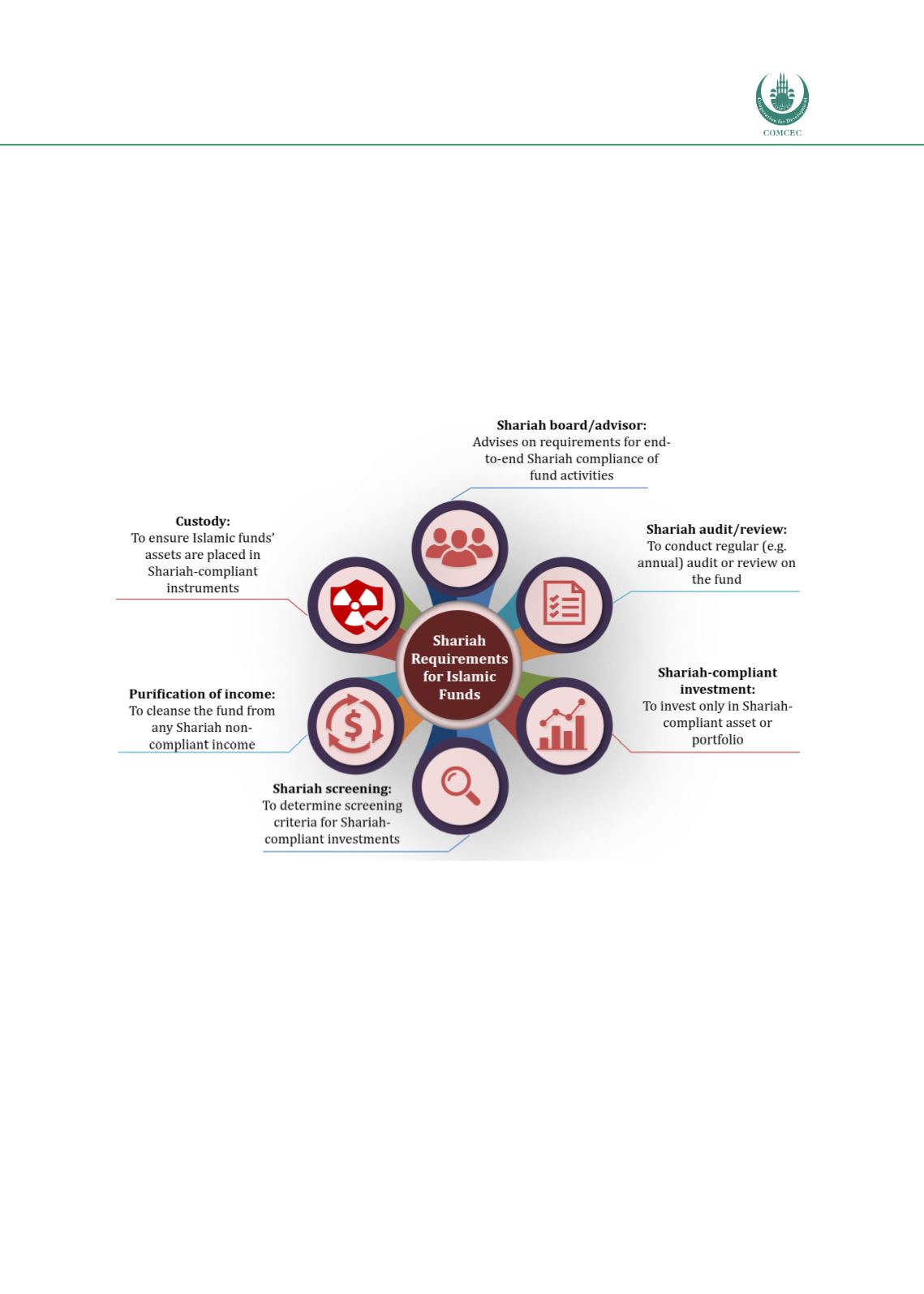
Figure 2.6summarises these basic Shariah requirements of an Islamic fund. A more detailed
analysis is provided in Chapter 3.
Figure 2.6: Basic Shariah Requirements of an Islamic Fund
Sources: Adapted from PWC (nd), ISRA
The IFSB, in its IFSB-6 on
Guiding Principles on Governance for Islamic Collective Investment
Schemes (ICIS),
outlines five guiding principles for Islamic funds, as follows:
Principle 1: General governance approach to Islamic funds
– The ICIS’s highest governing
body will establish a comprehensive governance policy framework, which protects the
independence and integrity of each organ of governance and sets out mechanisms for proper
control and management of conflicts of interest and duty.
Principle 2: Transparency and disclosure
– ICIS insiders [i.e. managers] must ensure that
disclosure of material information is not only done with appropriate accuracy and timeliness
but also presented in an investor-friendly manner.