


 48 / 187

Islamic Fund Management
34
clients, with retail financing typically on a secured basis). Banks are not designed to fund
anything other than safe counterparts when lending. As a consequence, AMCs need to
specialise and develop their expertise in maximising returns and mitigating risks in their
respective niche areas of investment, be they high-risk hedge funds, VC/PE funds, speciality
lenders (mortgages, equipment lease-fund or SMEs), commodity funds, real-estate funds or
low-risk money market funds.
In addition, the fund management industry has various advantages over banks in terms of
deepening the financial markets and ensuring financial stability. According to the IMF (2015,
April), the asset management industry has played a significant role in the financial systems of
advanced economies, particularly via bond funds. For the emerging market, portfolio flows,
which are channelled via funds, have been recording consistent growth.
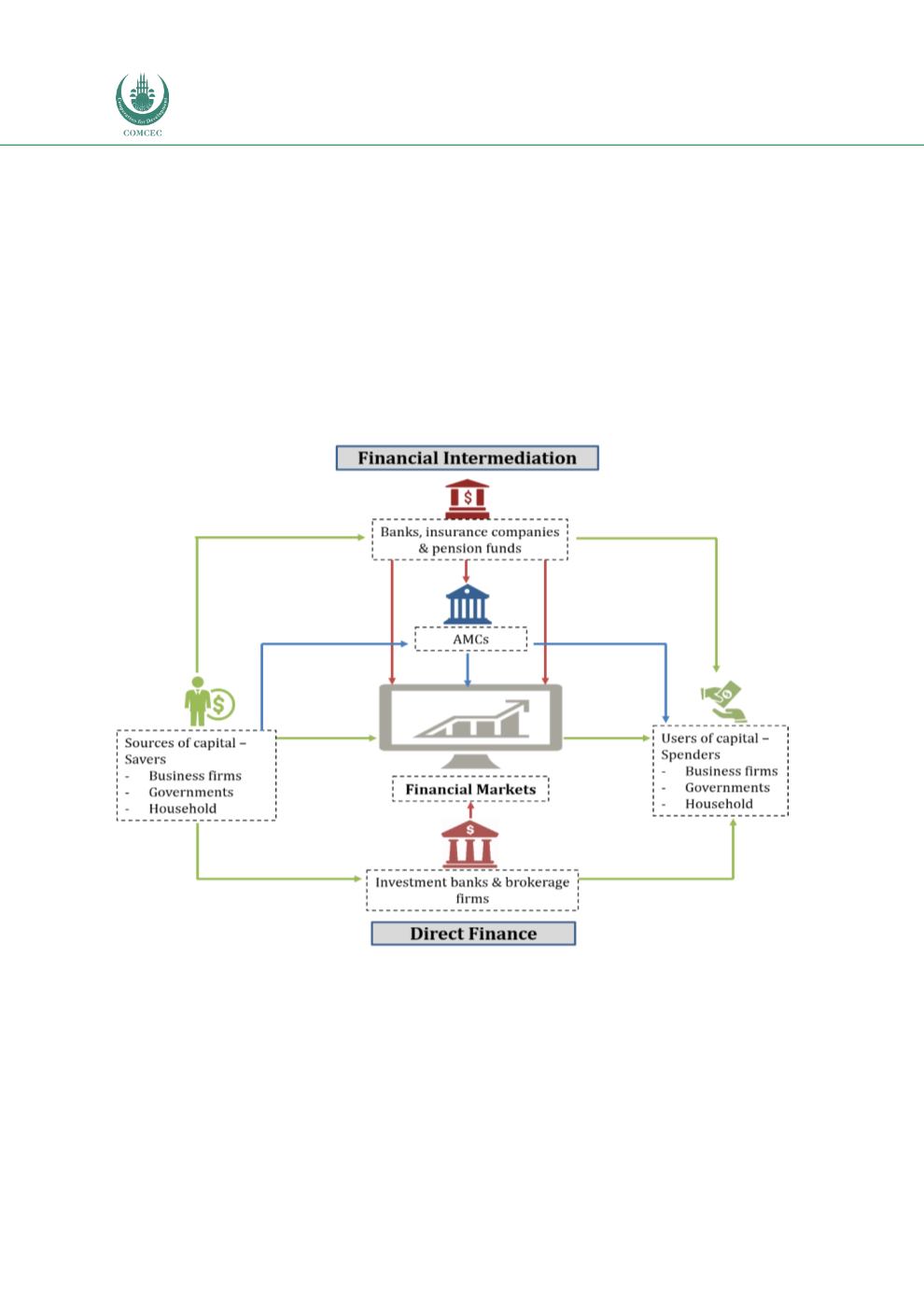
Figure 2.9: Intermediaries in a Financial System
Source: Sandwick (2016, p. 6)
The Role of Fund Management in Islamic Capital Markets
The key roles that Islamic fund management plays in the Islamic capital market include the
following:
1.
To provide retail investors with access to capital markets via standardised asset
management, such as investment funds and savings plans. Through this intermediation,
the following benefits can be reaped: