


 35 / 187

Islamic Fund Management
21
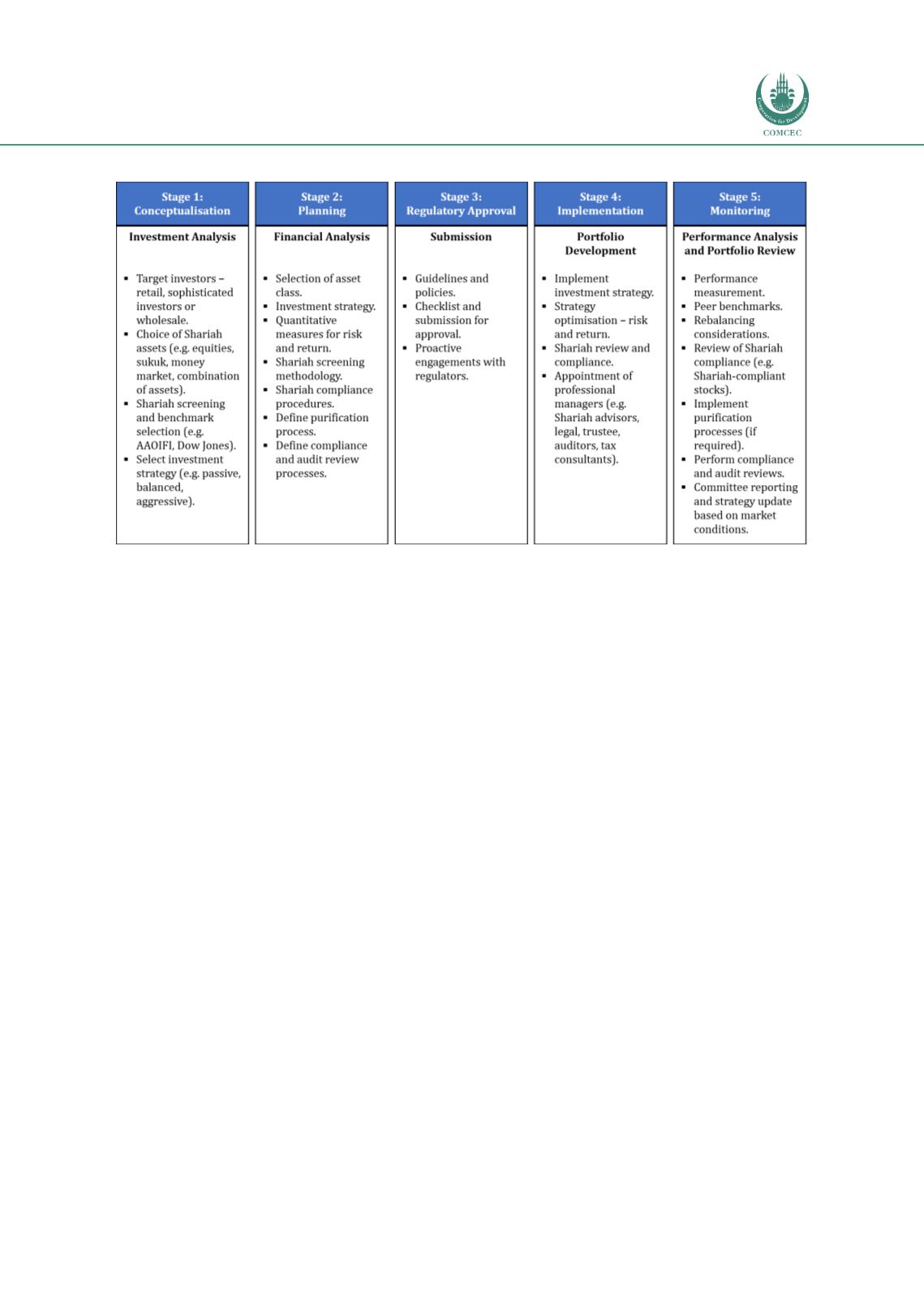
Figure 2.4: Process Flow of Fund Development
Sources: Saturna Sdn Bhd, Amundi Islamic Malaysia Sdn Bhd, Franklin Templeton Asset Management (Malaysia)
Sdn Bhd, RAM
Additionally, Islamic fund managers need to take into account the specific Shariah-related
issues discussed earlier in
Figure 2.2 .These include the elements of proscribed investments
and activities, the requirements for Shariah screening of investments, the necessity of
appointing a Shariah board and carrying out Shariah reviews and audits, the need for
purification of income, and the application of the appropriate fee structure.
The idea of setting up a mutual fund is reportedly a relatively recent development. It dates
back to the beginning of the 20
th
century when Boston law firms had initially established trust
divisions to manage the assets of wealthy families (Pozen and Hamacher, 2011). The mutual
fund had then evolved as the wealth of families were passed down through generations, with
the ensuing need to manage multiple family accounts. In 1924, the concept of open-ended
funds was mooted as the fund accepted new money and allowed investors to redeem their
shares on a daily basis (Pozen & Hamacher, 2011).
The concept of Shariah-compliant funds, on the other hand, arose from Muslims’ need for the
management of their investments in accordance with their faith. The concept of fund
management had been originally been adopted from the Islamic practice of endowment (
waqf
)
(ISRA, 2015, p. 534).
The first modern Islamic investment fund in Malaysia appeared in the early 1960s, with the
development of the Tabung Haji (Pilgrimage Fund). This fund collects the savings of Muslims
who wish to go on the pilgrimage (
hajj
). This idea is being increasingly used in many other
countries to kickstart their fund management industries.
Another aspect of the early-stage development of the Islamic equity markets had centred on
the need to establish clear guidance on the Shariah legitimacy of investing in company shares,
especially when such firms deal with prohibited elements such as
riba
(interest), and in unit