


 19 / 162

Single Window Systems
In the OIC Member States
9
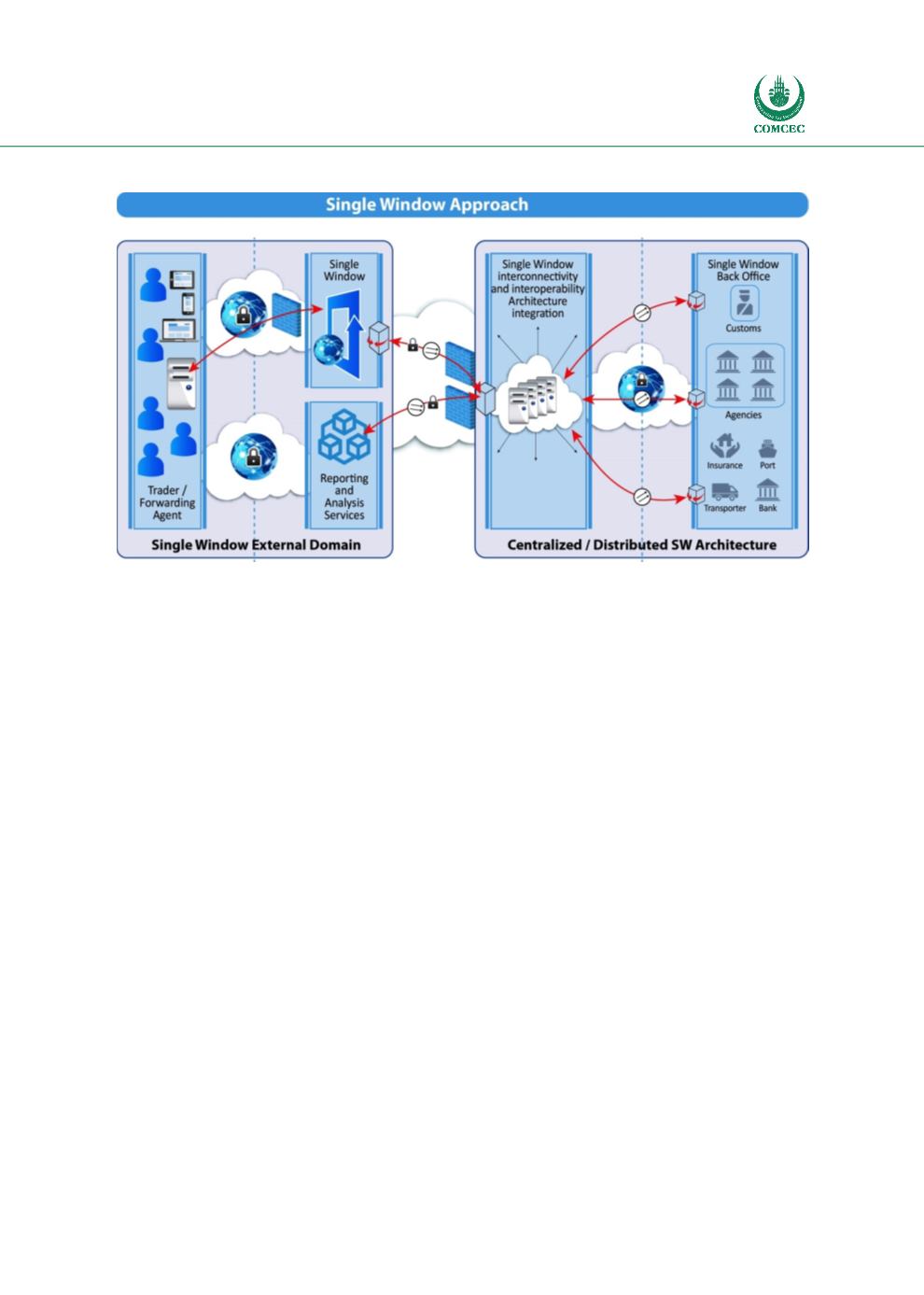
Figure 1: High Level Single Window Concept
Source: Authors’ own construction
A Single Window has two different types of users: End-users that request and consume a
service from the Single Window; and service providers that deliver a service to the end-user
through the Single Window. Together these two groups make up the stakeholders of a Single
Window as shown in Figure 2.
The stakeholders include traders and their representatives as end-users and the different
service providers, which can be departmental or non-departmental public bodies as well as
commercial entities.
Single Windows cover different trade related activities, such as:
Activities of government agencies involved in the processing of trade procedures, such
as government licenses, authorizations and certifications, customs clearance, food and
sanitary inspection.
The numbers of government agencies and their denominations varies according to the
institutional set up but in some countries more than 30 government agencies may
intervene in a trade transaction;
Activities of government agencies and organizations involved in the physical
movement of cargo and the means of transport, such as port movement notifications,
arrival and departure procedure, dangerous goods declarations;
Activities of commercial service providers involved in the physical movement of goods,
such as warehousing, loading and unloading, transportation, and consolidation; and
Other activities of business involved in selling and sourcing of goods, such as invoicing
and insurance.