


 24 / 152

Single Window Systems
In the OIC Member States
14
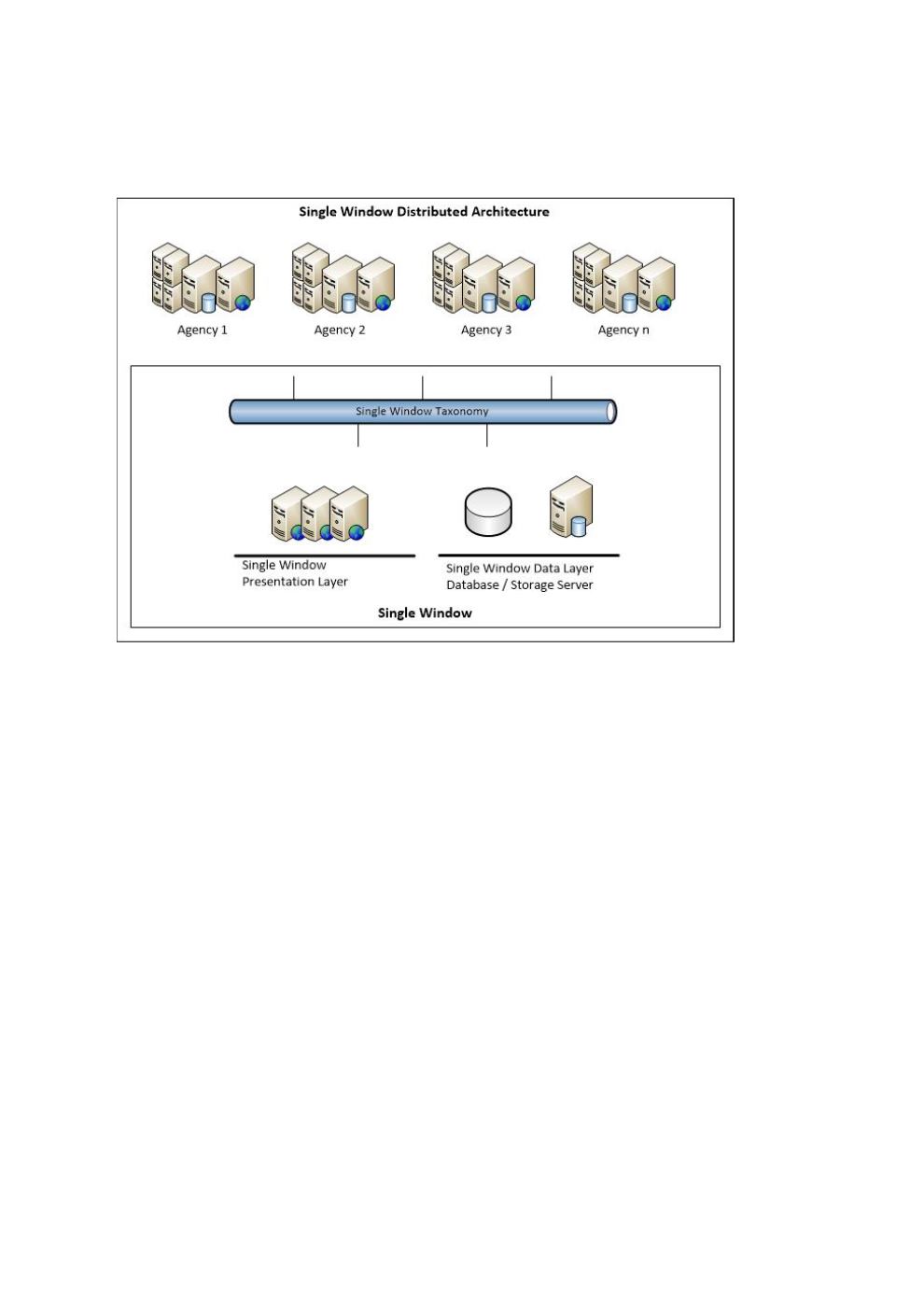
Figure 5: Single Window Distributed IT Architecture
Source: Authors’ own construction
In some cases, a Single Window started with a centralised system, but changed with time. It
either faced technological challenges to support the centralised architecture or agencies
developed their own IT system that cover end-to-end decision making processes. Such a de facto
move to a mixed IT architectural design becomes difficult to manage. Often it is easier and more
costs-effective to re-engineer the IT system and hence adopt a new generation Single Window
architecture.
A central feature of Single Windows is that they deliver a public service for a broad number of
users and in some cases cover all trade transactions. It is therefore necessary that the
operational data is handled with maximum security, confidentiality and privacy with different
levels of user access control.
The Single Window overall IT architecture must be protected by a fault tolerant system and off-
site data backup. Three international standards can be applied for business continuity sites;
mirror site, data and services are mirrored (copied) to another site and there is no need for
human intervention in case of and disaster recovery; hot / warm site, similar to mirrored site,
but in order to restore the operations, human intervention is needed to put the hot / warm site
online; and cold backup (offline) site that is just storing the data and identified critical services,
human intervention is needed in order to restore the data and services on the primary site. The
business continuity site keeps the data and services safe from human or natural disasters.