



 41 / 151

Establishing Well Functioning National Trade Facilitation Bodies (NTFBs)
In the OIC Member States
29
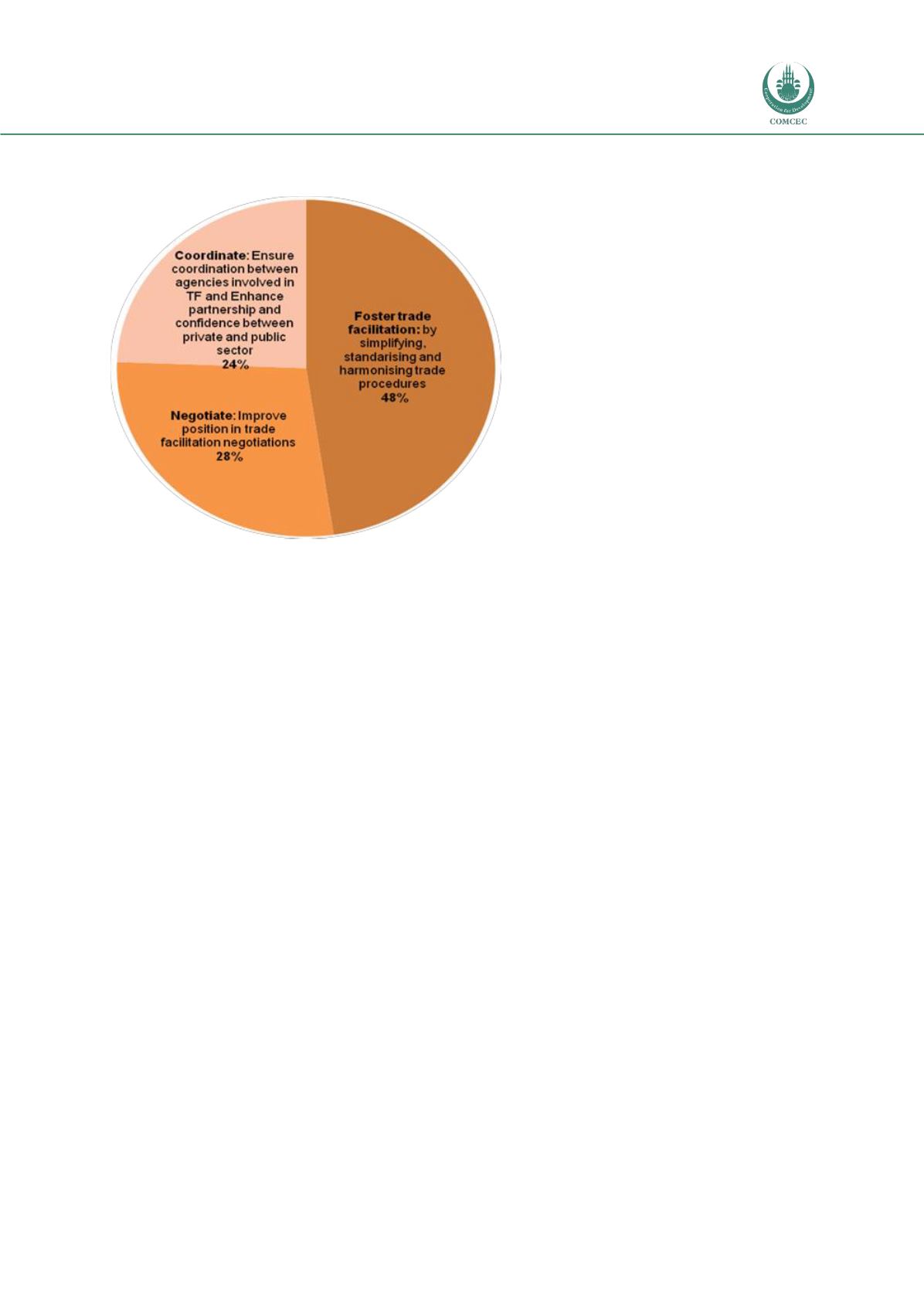
Figure 5: Existing Mandates of NTFBs in the World
Source: UNCTAD 2014, National Trade Facilitation Bodies in the World
2.2.
Features of Top NTFBs Worldwide From Developed Countries (Pro
Committees)
The purpose of this section is to provide an overview – drafted on the basis of publicly available
information – of four NTFBs that are perceived as being the most successful examples of developed
country NTFBs and developing country NTFBs. This section describes the NTFBs in terms of
membership, institutional structure, functions and responsibilities and also highlights what have
been reported as the NTFBs’ key achievements.
2.2.1 Sweden (SWEPRO)
SWEPRO (Swedish Trade Procedures Council) was created by government decision. Its
establishment was motivated by the realization (in the 1950s) of how new printing/copy machines
could be used for the standardization of trade documents, which led to a National Enquiry into the
subject. The results of this enquiry were taken to the Nordic Council and the UNECE (1961) and
formed the basis of UN/LAYOUT KEY. The National Enquiry was transformed into a consultative
body in 1955 and, in 1975, it was officially called SWEPRO.
SWEPRO is Sweden's forum for discussion between public and private sectors and information
(database) on simplified, harmonized and efficient trade procedures at the general level.
In addition to the national level, SWEPRO follows the issue of trade facilitation at international level
and represents Sweden in this context. SWEPRO has a secretariat, hosted by The National Board of
Trade. It coordinates intergovernmental efforts to simplify, harmonize and (where possible) remove
unnecessary procedures.