



 32 / 182

Improving the Role of Eximbanks/ECAs in the OIC Member States
24
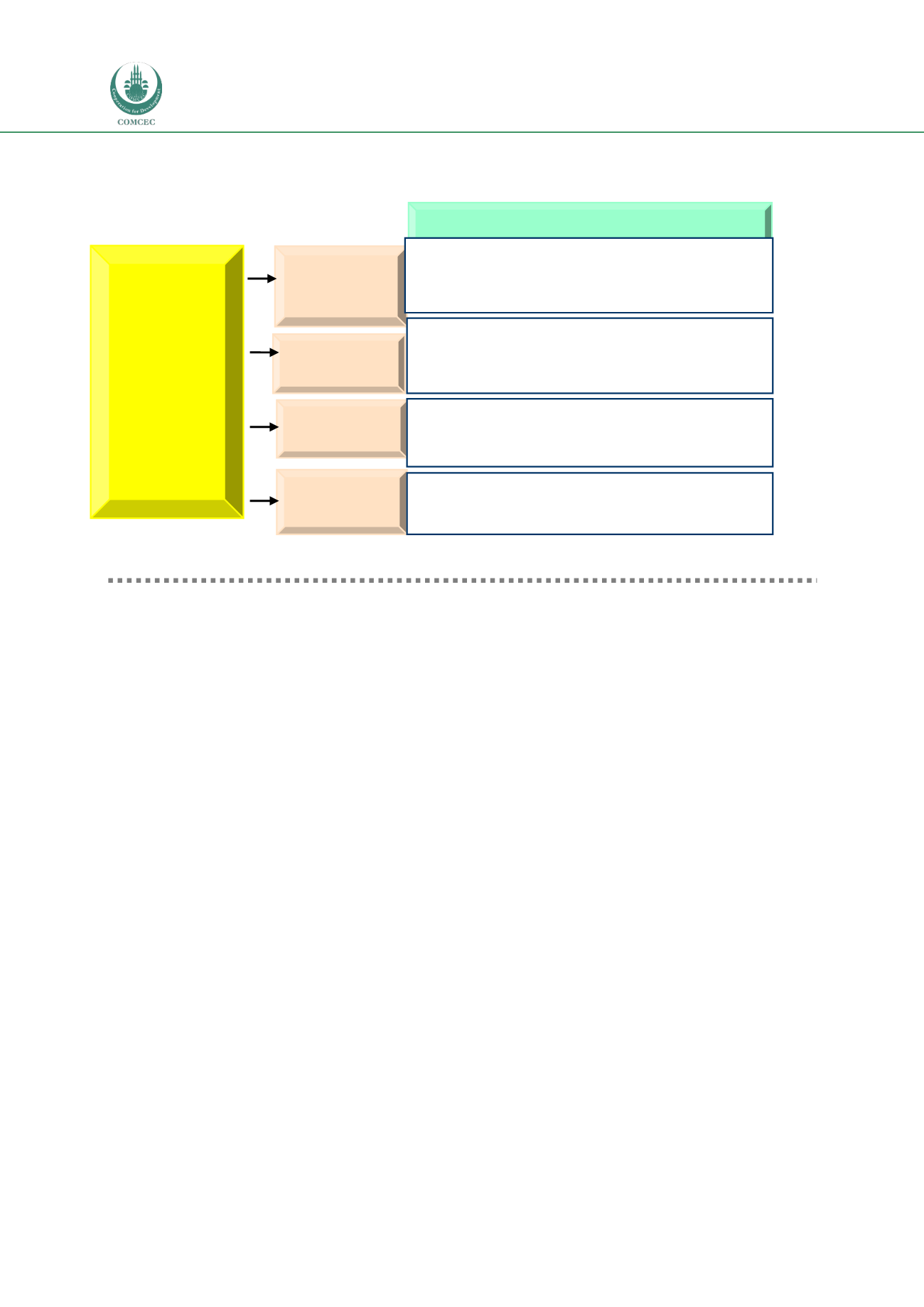
Figure 4: A Healthy Export Credit System
Source: Author
3.2.1
Government Control and Oversight
For Government Control and Oversight, the question that is considered is the extent to which the
government both has the appropriate level of control relative to its involvement and is providing
the ECA with the necessary guidance to ensure that public policy objectives are being met.
Moreover, this area looks at whether there are controls – adequate or otherwise – over the fiscal
costs of providing export credit support.
The key dimensions of health for this dimension are:
1.
Fiscal costs are measured and minimized
This area considers whether the government either directly or the ECA on its behalf, takes
account of the true costs, including cost of capital, and risks assumed. For each ECA under
examination, the question is whether the scheme is run on “commercial principles” and is
fiscally prudent and whether provisions are made against risks taken.
2.
The government has sufficient control, relative to its involvement in the export credit
system
The term “control” refers to the level of government’s oversight of, and participation in, the
activities of the ECA. In some countries, this may involve participating directly in transaction
decisions. Alternatively, in other countries the government may have fairly strong control in
a legal sense, but, in reality, may have relatively less influence over the activities of the ECA.
3.
The government sets clear and attainable objectives
This relates to the degree to which the government effectively sets clearly defined objectives
for its ECA and related institutions. For example, the government may annually dictate clear
strategic and operational targets and priorities for the ECA and require the agency to report
Mission
Statement
and
Strategic
Objectives
Export Credit System Health Parameters
Exporter Focus/
Service
Government
Control &
Oversight
Private Sector
Involvement
•
Exporters get the coverage they need in the markets they are doing
business
•
The product range meets the needs of exporters and their banks
•
Pricing is risk-related and internationally competitive
•
ECA is proactive and demonstrates innovation and flexibility
•
Government has sufficient control, relative to its involvement in the export
credit system
•
Government sets clear and attainable objectives
•
System is regularly reviewed to reflect changes in the private sector
•
Fiscal costs are measured and minimized
Institutional
Strength
•
The institution’s expertise is well-recognized and sought after
•
The portfolio is actively managed
•
The internal processes are not bureaucratic
•
The institution’s human resources are stable and decisions are consistent
•
ECA works well with banks
•
ECA works well with insurers
•
ECA actively encourages participation of private players
•
There is no displacing/impeding of the private sector