



 109 / 176

Improving Banking Supervisory Mechanisms
In the OIC Member Countries
92
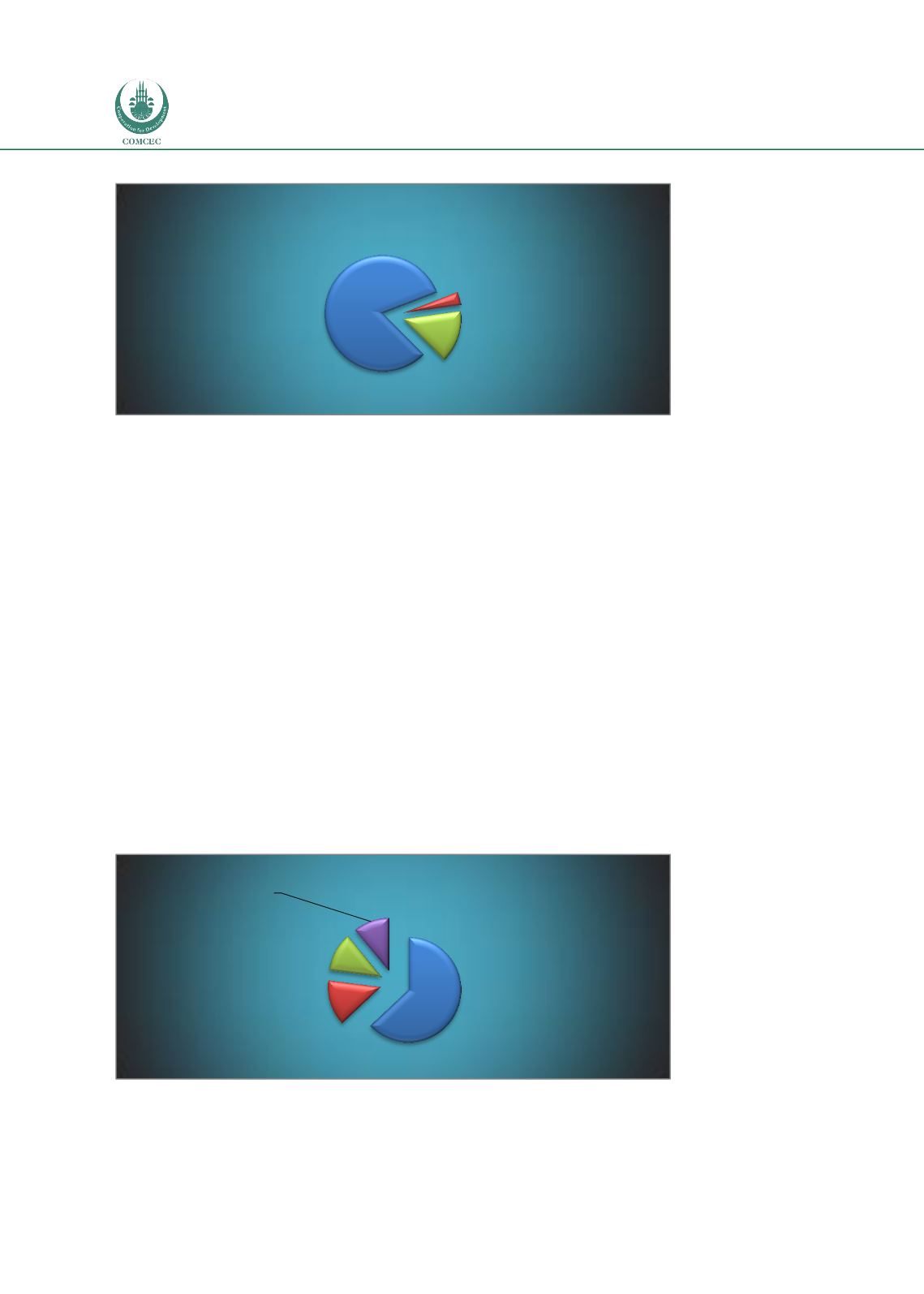
Figure 56: Liability Decomposition, Malaysia
Source: Bankscope
More than 80% of the liability in the Malaysian banking sector consist of customer deposits.
This is a very healthy statistics since this would imply the core liabilities in Malaysian banking
sector is in the form of deposits. This implies that loan/deposit ratio is around 75% as of 2013.
In terms of banking risk this number is rather tolerable. Many researchers claim that
loan/deposit ratio is one of important financial stability criteria. There is no clear benchmark
for this statistics but a ratio more than 120% to 150% may indicate some macro risk in that
economy.
As a conclusion, from the analysis and data above, Malaysian banking sector in general does
indicate a banking risk under normal economic conditions. However, a macro shock through
FED's interest rate hike and decrease in the global liquidity might have negative impact on the
Malaysian economy and banking sector. Therefore, macroprudential regulations might be
useful to tackle such episodes.
o
United Arab Emirates
In terms of asset decomposition of UAE we see similar picture to Malaysian banking sector.
Majority of UAE's assets are in the form of loans (63%).
Banking Sector
Figure 57: Total Asset Decomposition, United Arab Emirates
Source: Bankscope
Similar to the most OIC member countries, majority of the banking risk originates from credit
risk (92%), while operational risk is slightly lower than OIC average which is mainly due to the
Total Customer
Deposits
82%
Deposits from
Banks
3%
Total Equity
15%
Liability Decomposition
Loans
63%
Others
14%
Total Securities
12%
Cash & Due
From Banks
11%
Total Assest Decomposition