


 178 / 247

157
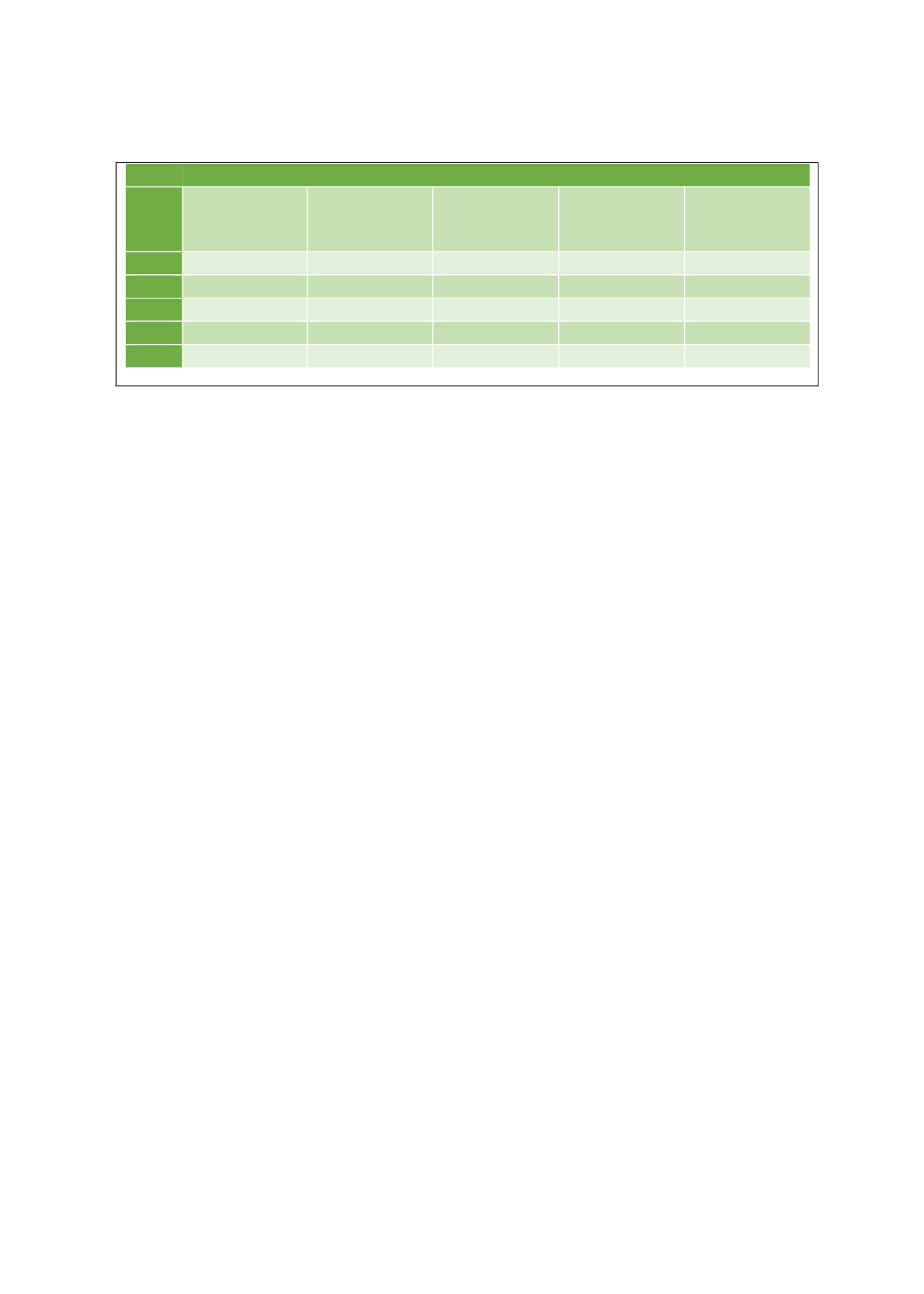
Industry Sector Sub-Indices
Rank
Banking
Investment
Management
Insurance
Professional
Services
Government
and Regulatory
1
London
London
Shanghai
London
London
2
New York
New York
Hong Kong
New York
New York
3
Hong Kong
Hong Kong
New York
Hong Kong
Singapore
4
Singapore
Singapore
London
Singapore
Hong Kong
5
Shanghai
Shanghai
Singapore
Shanghai
Beijing
Source: The Global Financial Centres Index 22 (2017: 30)
For more than a century, Hong Kong has served as a gateway for Mainland China. As a
forerunner in international finance, Hong Kong can bank on its sophisticated financial
infrastructure to provide investors with exposure to China’s different market segments and
access to its expanding wealth. For instance, investors that wish to access China's property
market can make use of the REITs listed in Hong Kong, with underlying exposures to
properties in Mainland China. In turn, it serves as the wealth-management centre for the
increasingly affluent residents of Mainland China and Asia. Hong Kong ranked third in
investment management, after London and New York, in the 2017 Global Financial Centre
Index.
Hong Kong’s international bond market is characterised by vibrant activities and global
issuers. It offers open access to both domestic and international issuers and investors, in
domestic and foreign currencies. Offshore RMB bond issuance (also known as dim sum bonds)
is becoming increasingly more significant, which renders Hong Kong one of the most
frequented international bond markets in Asia (Financial CBonds Information). Besides, Hong
Kong is the first venue outside China to have developed an RMB bond market, attracting
issuers such as the government, enterprises and financial institutions from Hong Kong,
Mainland China and different parts of the world. Relative to GDP, as shown in Box 4.17, Hong
Kong’s bond market ranked seventh among the Asian bond markets as at end-2016, after
Japan, South Korea, Malaysia, Singapore and Thailand. Chart 4.53 shows the increasing bond
issues in Hong Kong by the government, quasi-government entities and corporates, from
USD43.8 million in 2006 to USD414.7 million in 2016.