


 20 / 64

COMCEC Poverty Outlook 2016:
Human Development in OIC
12
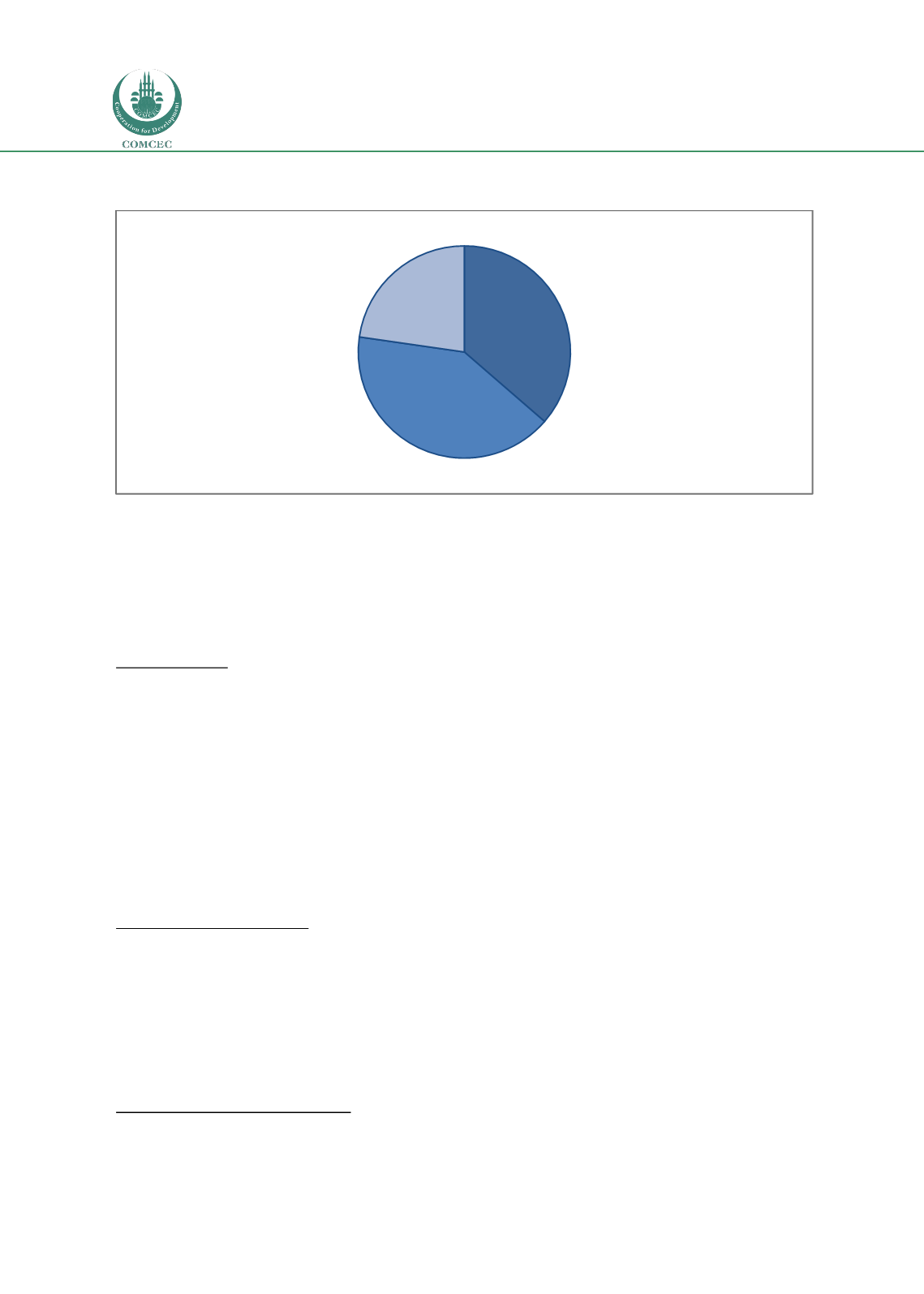
Figure 12: Share of Income Level Categories for the OIC Member Countries with
Multidimensional Poverty (%)
Source: UNDP (2015) and the World Bank, 2015b.
The contribution of deprivation in education to overall poverty for the OIC Region is between
3.7 percent (Uzbekistan) and 50.1 percent (Iraq). The same range for the contribution of
deprivation in health to overall poverty is between 20.3 percent (Mauritania) and 83.9 percent
(Kazakhstan), and for the contribution of deprivation in living standards to overall poverty is
between 3.5 percent (Jordan) and 51.9 percent (Uganda).
State of Hunger
More than half of the OIC Member Countries are defined as low-income food deficit country
according to the classification of the FAO.
16
Regarding the GHI values for these countries, an
important improvement is observed. While the mean value of the OIC member countries was
35,1 for the year 1990, this value is 20.5 for the year 2015.
17
The GHI values of the Member
Countries range between zero and 46.4. None of the member countries experience an
extremely alarming hunger situation, and 3 countries are in alarming situation, 22 countries
are in serious situation of which Niger is the most severe one. On the other hand, 9 member
countries are in moderate hunger situation and 12 countries are in low hunger situation.
High Income OIC Countries
Human Development Index
If we analyze high income OIC Member Countries according to their HDI values, it is found that
all countries in this group are in very high human development category, except Oman which is
classified in high human development category
(Figure 13).
16
See Annex 5.
17
See Annex 6.
Low; 36%
Lower-middle; 41%
Upper-middle; 23%