



 23 / 182

Improving the Role of Eximbanks/ECAs in the OIC Member States
15
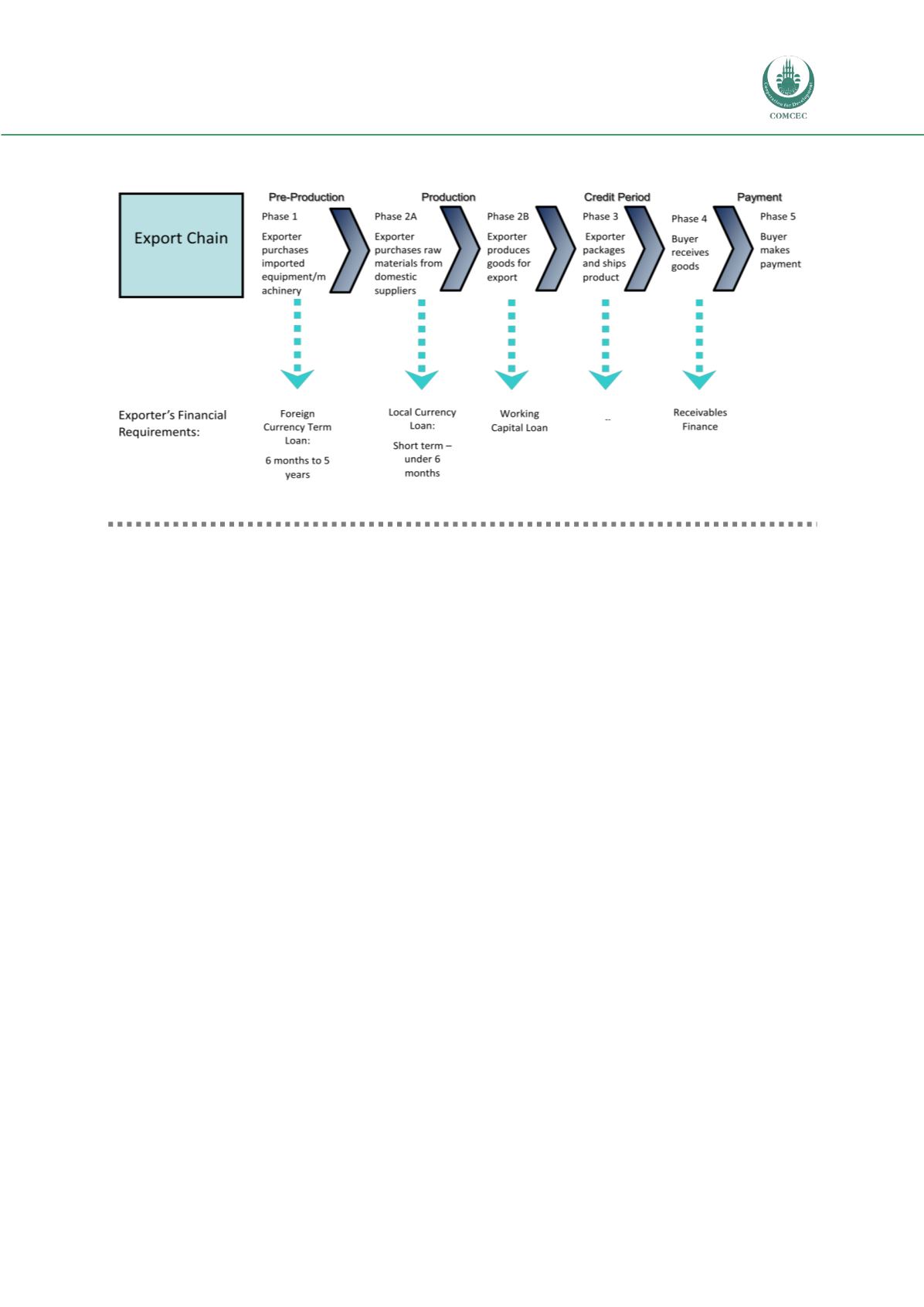
Figure 3: Financing Requirements of an Export Transaction
Source: Author
2.1.1 Transactional Cooperation
During the pre-production phase, exporters may have a requirement to import certain raw
material or machinery, as well as spare parts and new technologies to produce goods for export.
Some exporters have difficulty financing their imports of goods required for export production.
Exporters may also need to purchase new equipment from abroad requiring longer-term foreign
currency loans not available from local commercial banks.
In a number of countries, the lack of availability of import finance can exist for a variety of
reasons. It is therefore important to examine the underlying cause for this lack of import finance.
The key question to be explored is whether local banks are reluctant to extend import finance
(e.g. opening Letters of Credit or L/Cs) for the benefit of foreign suppliers.
2.1.2 Phase 2:
Export
Production
Similarly, exporters may need to purchase local materials as input into their export product.
Exporters need cash to pay for these inputs, sometimes long before they have received payment
for the final exported product.
During the production phase and prior to shipment, exporters themselves need working capital
to be able to produce the goods to meet their export order. Normally, working capital finance is
provided by a commercial bank, but often banks are reluctant to provide any (or additional)
finance without additional collateral. These means that the exporter must often tie up the cash it
needs as security.
2.1.3 Phase 3: Pre-Shipment
Even before the exporter ships his goods and once production has begun, the exporter is subject
to both commercial and political risks that could result in the contract being cancelled, or the
buyer becoming insolvent.