


 45 / 227

Improving Public Debt Management
In the OIC Member Countries
31
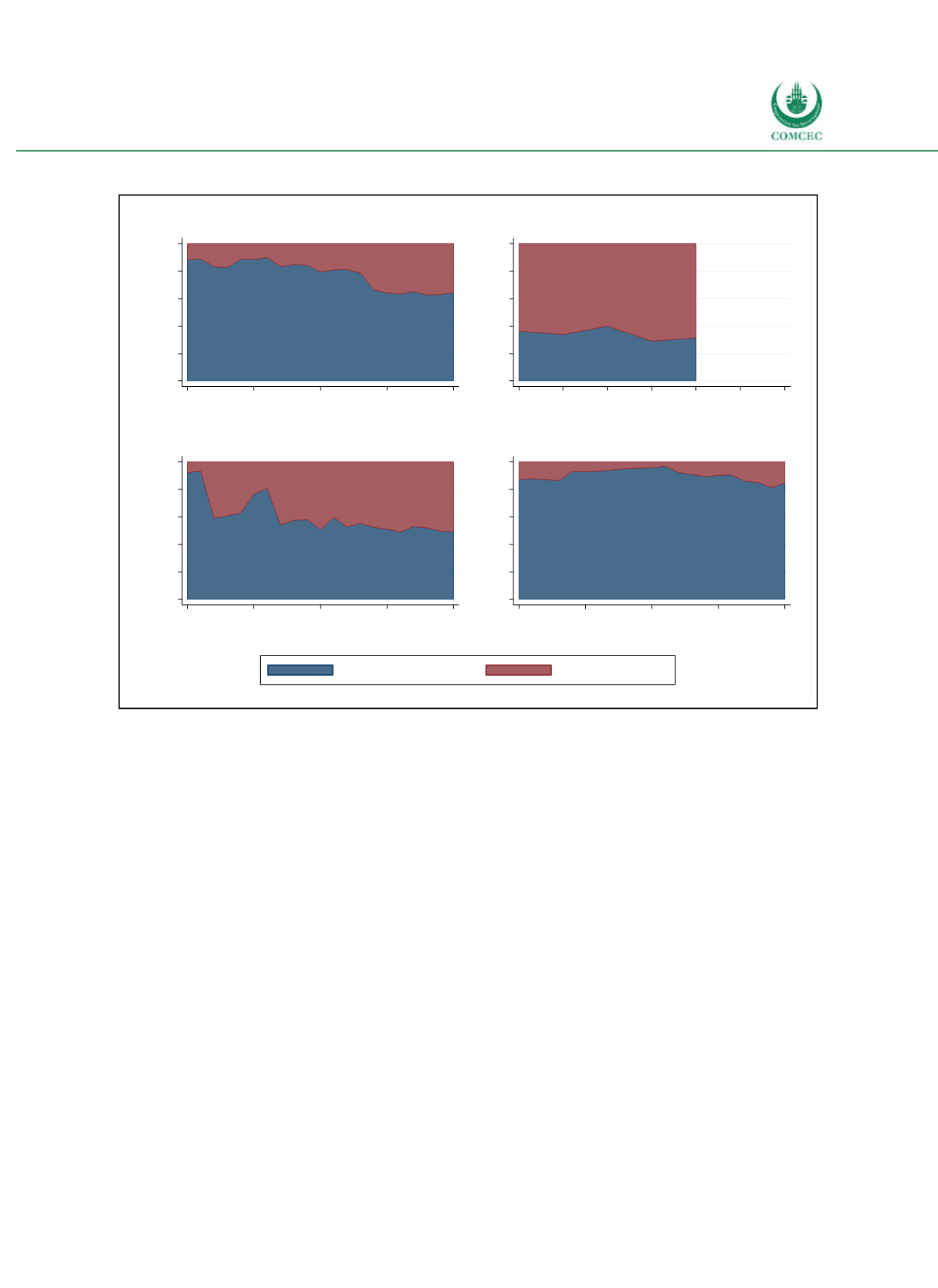
Figure 2-12: Currency Composition of Public Debt Worldwide
Sources: IMF and World Bank (2016), Quarterly Public Sector Debt database, calculations by the Ifo Institute.
Note: Due to missing data the graph for low income countries (top-right panel) covers a shorter time period only.
Which currencies dominate foreigndenominated public debt? The international role of the U.S.
Dollar is revealed in public debt contracts: the share of the U.S. Dollar in total foreigndenominated public debt has been rising over time and equals 59% in 2014 (see Figure 213).
The second most important currency is the Euro (13% in 2014), which took up the shares that
German Mark and French Franc occupied before its introduction. The share of the Japanese
Yen has been decreasing over time. It should be noted that there is an important role for
multiple currency arrangements, too. Overall, no significant difference in the currency
composition between middleand lowincome countries is observed. However, currency
denomination depends on the region (see Figure 214). While in Europe, Central Asia and
MENA the Euro is especially strong, Dollar loans are dominant in Latin America and the
Caribbean (89% in 2014). Asia has a larger share of the Yen at the expense of the Euro. In
general, apart from the global role of the Dollar, countries base loan contracts preferably on
the dominant currency of their region. This is reasonable, because trade revenues are often
denominated in this currency.
0
20
40
60
80
100
%
1995
2000
2005
2010
2015
Year
All income levels
0
20
40
60
80
100
%
2009 2010 2011 2012 2013 2014 2015
Year
Low income
0
20
40
60
80
100
%
1995
2000
2005
2010
2015
Year
Middle income
0
20
40
60
80
100
%
1995
2000
2005
2010
2015
Year
High income
Domestic currency
Foreign currency